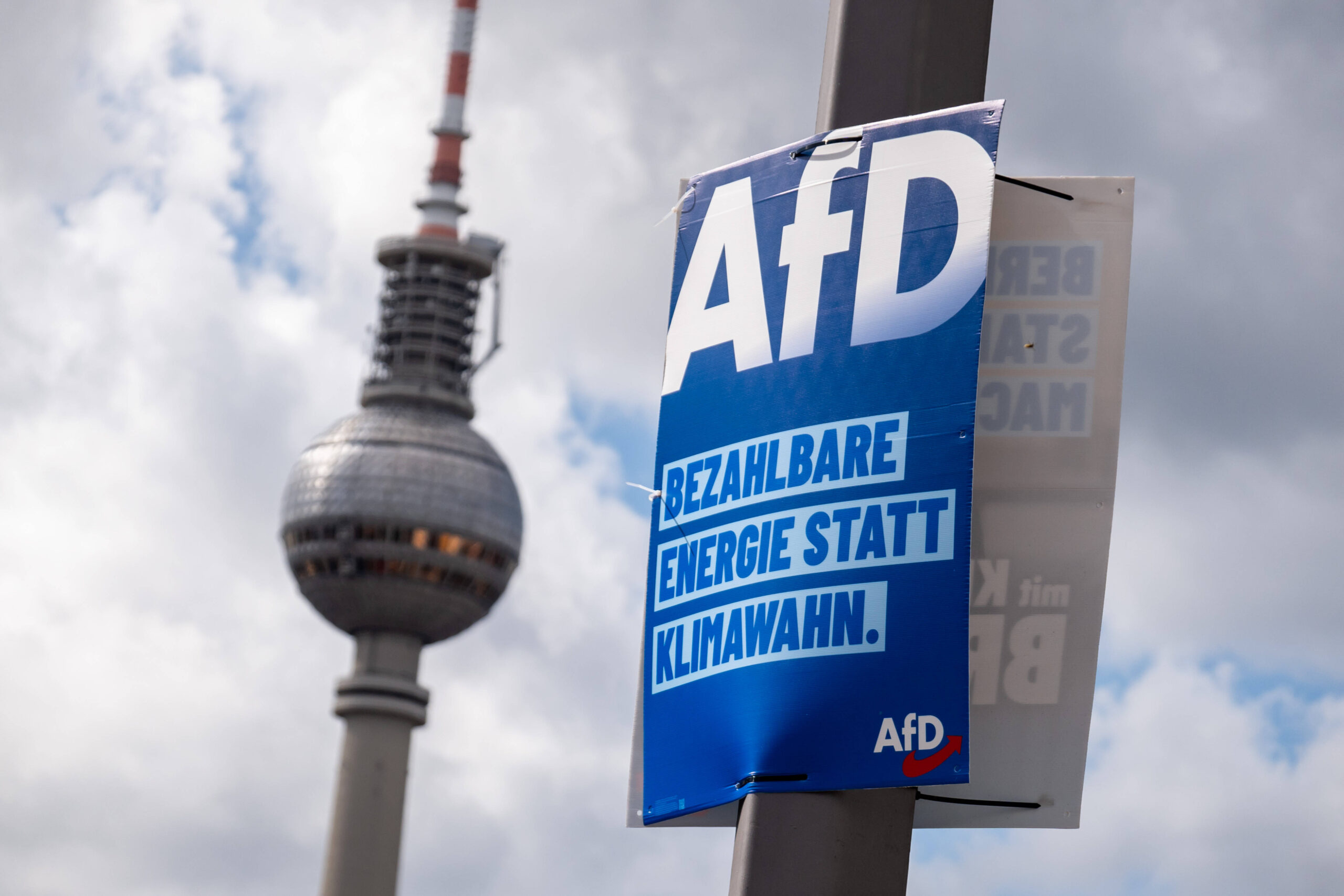
A single German state of 2.2 million people may be about to deliver the biggest shock to the country's post-war political order in a generation. When voters in Saxony-Anhalt go to the polls on 6 September, the Alternative for Germany (AfD) stands at 40 per cent in the most recent survey, 17 points ahead of the incumbent Christian Democratic Union (CDU). The question is no longer whether the far right wins the most votes. It is whether it wins enough to govern alone.
The mathematics of a majority
Germany's five-per-cent threshold for parliamentary entry creates a paradox. The more votes are cast for parties that fail to clear that hurdle, the fewer total votes a leading party needs for a majority of seats. In Saxony-Anhalt, late August polling put the post-Communist Left Party at 13 per cent, the SPD at 9 per cent and the Greens at 6 per cent. A further 9 per cent was distributed among parties below the threshold. If that pattern holds on election day, the AfD could secure a parliamentary majority with well under half the vote. Nearly a third of voters remain undecided.
The AfD has stated it will only enter government as head of a single-party administration, ruling out coalition negotiations. That declaration is strategic: it forces the question of whether other parties can assemble a workable majority without AfD support, and it appeals to voters who want an uncompromising break with the current system.
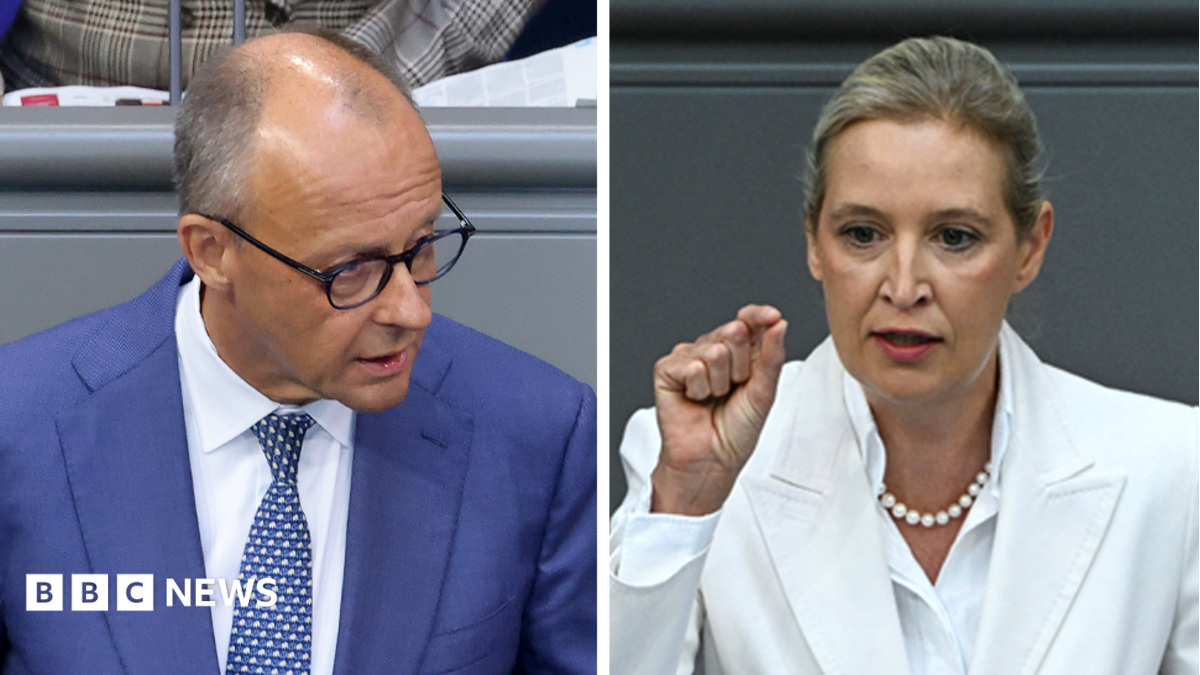
Merz's weakened position in Berlin
The Saxony-Anhalt vote is the first of three state elections this month. Berlin and Mecklenburg-Vorpommern follow on 20 September. Each will weaken Chancellor Friedrich Merz's federal coalition, which has been losing public support since taking office. The CDU and its Bavarian sister party, the Christian Social Union (CSU), now poll at roughly 22 per cent nationally, down from 28.5 per cent in the 2025 federal election. Their coalition partner, the SPD, has fallen further, to around 12 per cent, a drop of four points from its already historic low last year.
Merz's difficulties are partly self-inflicted. His handling of a cabinet reshuffle in July deepened doubts about his leadership. But they also reflect structural pressures. The war in Iran has pushed up energy and food costs. German companies are reported to be cutting more than 10,000 jobs each month. Federal statistics from Destatis have tracked the broader stagnation. Voters who expected the new government to deliver a credible response have been disappointed.
Schwesig's fight in Mecklenburg-Vorpommern
The eastern coastal state presents a different dynamic. Manuela Schwesig, the SPD minister president since 2017, remains the state's most recognised and popular politician. A July survey showed voters preferred her over her AfD challenger by 49 to 29 per cent. Yet the AfD still leads in party-preference polling at roughly 36 per cent, with the SPD at 29. Schwesig has publicly criticised her own federal coalition for failing to address voters' economic concerns, opposing plans to raise the retirement age and calling for petrol price caps. Her current coalition with the Left Party, polling at 10 per cent, is unlikely to secure another majority.
The fate of smaller parties will again determine whether a governing coalition can be assembled. The Greens and the Sahra Wagenknecht Alliance each hover around the 5 per cent threshold. The CDU, at roughly 10 per cent, faces what would be a historic low in the state. If Schwesig cannot close the gap with the AfD, the federal SPD leadership, rather than the minister president, is likely to take the blame.
Berlin's fragmented contest
The capital's election is less dramatic but no easier for the governing parties. Housing costs, rising violent crime and chronic complaints about dirty streets dominate the campaign. Four parties, the CDU, AfD, Left and Greens, are clustered between 15 and 20 per cent, with the SPD trailing at 12 to 15 per cent. The incumbent CDU mayor is not standing again after misleading the public about his slow response to a blackout last December. A Left-led coalition with the Greens and SPD is the most probable outcome, though a weak SPD showing could leave those three parties short of a majority and keep the CDU in power through an alternative arrangement.
What an AfD state government could do
German federalism concentrates most legislative power in Berlin, but states hold significant authority over policing, education and cultural policy. The AfD has outlined plans to use those levers. In Saxony-Anhalt, its lead candidate has suggested abolishing the state Office for the Protection of the Constitution, the agency responsible for monitoring extremism. The party also wants to end public funding for broadcasting and churches, reshape school curricula around national pride, and segregate students who do not speak German. All of these fall within state competence.
The practical constraints would be considerable. A single AfD state would carry little weight in the Bundesrat, the upper chamber where states participate in federal legislation. Procedural changes have further limited the ability of individual states to slow proceedings there. But the symbolic impact would be immediate, and the legal clashes with federal authorities and courts over education and policing powers would be protracted and politically explosive.
The firewall under strain
The established parties have long maintained a Brandmauer, or firewall, isolating the AfD and denying it the parliamentary privileges accorded to other parties. That strategy has kept the far right out of state and federal government, but at a cost: coalitions of convenience between parties with little common programme, and a growing sense among voters in the east that their ballots cannot produce a change of direction.
Pressure on the firewall is mounting from within the CDU itself. Eastern Christian Democrats have expressed frustration at being trapped in alliances with the left, and some have already called for adjustments to the isolation policy. In Saxony and Thuringia, CDU-led governments have relied on tacit Left Party support to pass legislation. Sven Schulze, the CDU's lead candidate in Saxony-Anhalt, has shown openness to talks with the Left, contradicting his own party's official line. The three elections this month will intensify the debate about whether the firewall can hold, and at what political cost.
People mentioned
-
Manuela Schwesig
Organisations
Alternative for Germany · Christian Democratic Union · Social Democratic Party · Left Party · Sahra Wagenknecht Alliance