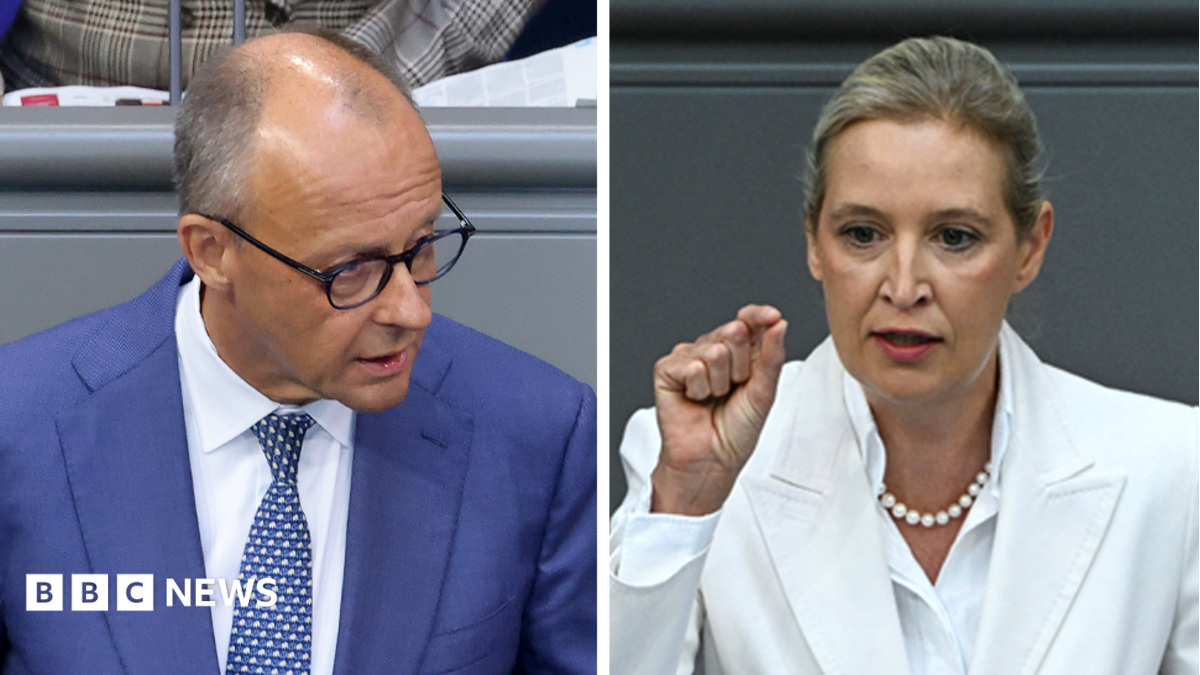
German Chancellor Friedrich Merz confronted the leader of the Alternative for Germany in the Bundestag this week, accusing the far-right party of pursuing policies that would dismantle the country's labour market. The exchange followed a state election in Saxony-Anhalt where the AfD secured nearly 44% of the vote, marking the strongest result for a far-right party in any German state since the Second World War. Merz told parliament that the AfD's proposal for mass remigration amounted to ethnic cleansing within the skilled trades.
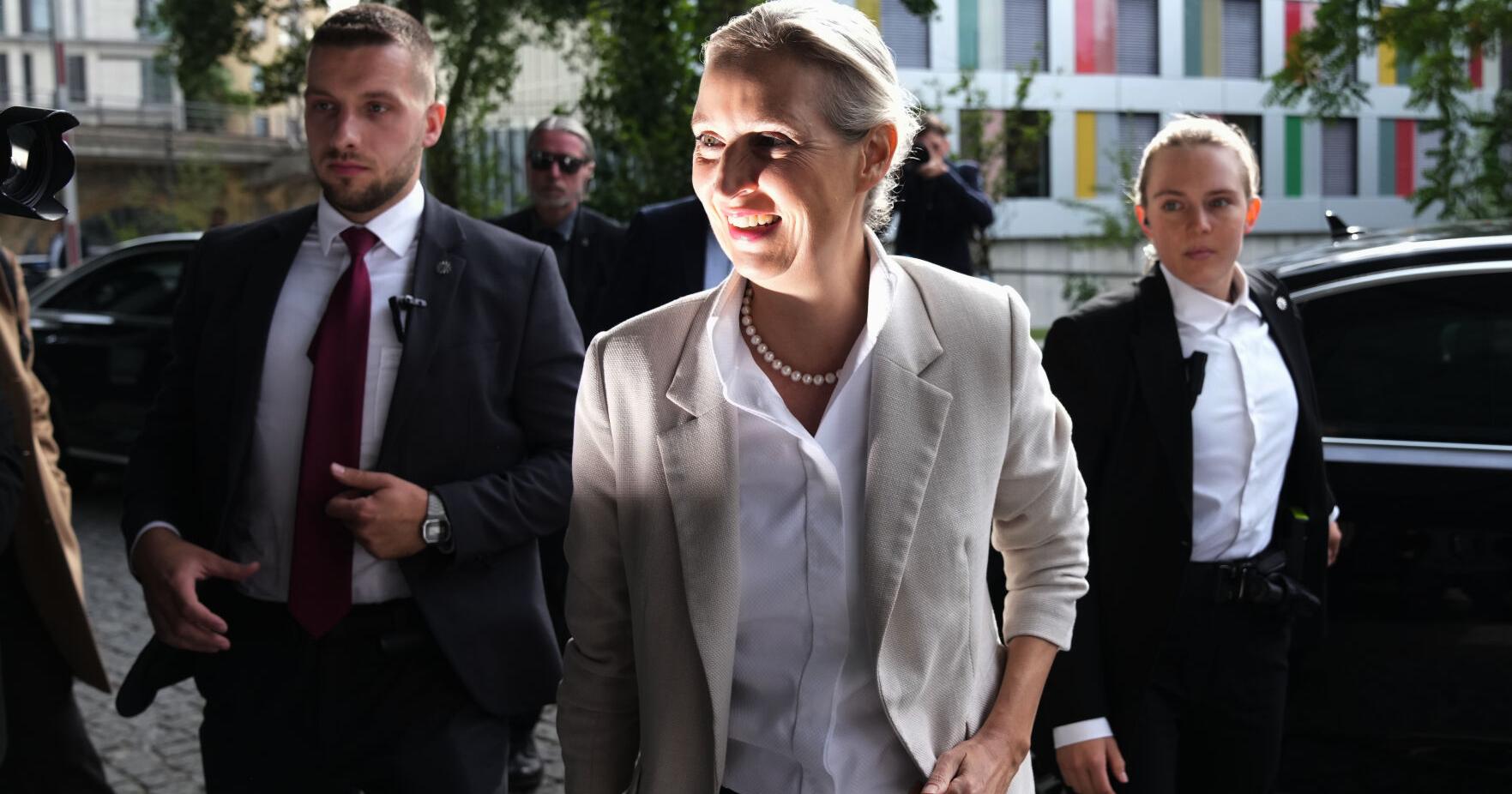
Alice Weidel, leading the opposition response, argued that voters had delivered a verdict on the failure of Merz's coalition with the Social Democrats. She claimed the government was driving Germany towards bankruptcy through excessive spending and uncontrolled border policies. The Chancellor rejected this, noting that one in six skilled workers in the country has a migration background. He warned that removing them would leave care homes, hospitals and restaurants unable to function.
The Eastern Vote
The result in Saxony-Anhalt has shifted the political arithmetic significantly. While the AfD finished first, they fell three seats short of an outright majority. This leaves them needing a coalition partner to form a state government. Discussions have opened with the left-wing populist BSW, provided they support the AfD candidate Ulrich Siegmund for state premier. No far-right party has held executive power in a German state since 1945.
Merz described the outcome as seismic, acknowledging that the political landscape has changed permanently. He accused the AfD of deceiving voters by promising before the election that their candidate would only govern if he won a majority, only to seek coalition partners immediately after the count. The Chancellor maintained that his Christian Democrats would not breach the firewall policy preventing cooperation with the far right. Data from the Federal Statistical Office confirms the scale of the shift in voter alignment.
Parliamentary Disorder
Tensions in the chamber rose as AfD MPs repeatedly heckled the government bench. Bundestag President Julia Klöckner intervened to restore order, warning members that parliament was not a football pitch. She threatened to expel disruptive deputies from the chamber if the behaviour continued. The disruption underscored the difficulty of conducting normal legislative business with a large opposition bloc dedicated to opposing the system itself.
Weidel opened the session by stating the Christian Democrats had been pulverised in the eastern state. She accused the governing coalition of ignoring the daily reality of knife violence and attacks on trains. Merz countered that the AfD would not achieve a majority nationally, regardless of state-level success. He reiterated that the party remains a destructive force within the democratic framework.
Transatlantic Tensions
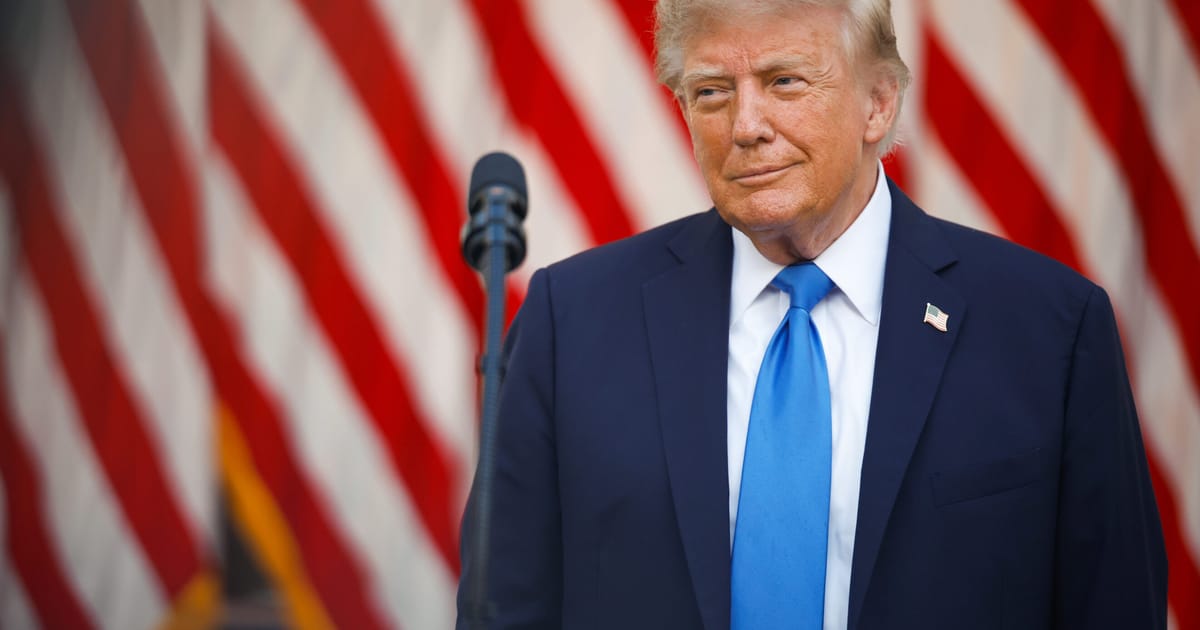
International reactions complicate the domestic situation. US President Donald Trump praised the AfD victory, linking it to immigration rules he described as horrible. A scheduled telephone call between Trump and Merz to mark the 25th anniversary of the 9/11 attacks was postponed by Berlin. Government spokesmen did not provide a reason for the delay, and no new date has been set for the conversation.
The AfD has been classified as right-wing extremist by German domestic intelligence services. Their platform includes a deportation offensive targeting irregular migrants and those without permanent residency. Merz argued that the government distinguishes between those contributing to prosperity and those without legal status. He insisted the AfD's blanket approach would harm German interests by backing Russia and destabilising the workforce.
Coalition Arithmetic
Future stability depends on coalition negotiations in Saxony-Anhalt. If the AfD forms a government with the BSW, it breaks a decades-long taboo. If they fail, new elections may be required. The federal government watches closely, knowing that state results often predict national trends. The firewall remains under pressure from within Merz's own party, with some suggesting cooperation is now inevitable.
Economic implications are central to the debate. The Chancellor highlighted the dependency of key sectors on migrant labour. Removing this workforce based on origin would cripple service industries. The AfD argues that mass migration has compromised security. Both sides claim to represent the economic interest of Germany, but their methods are mutually exclusive. The European Commission monitors such developments for rule of law compliance.
People mentioned
Organisations
Alternative for Germany · Christian Democratic Union · Social Democrats · Bundestag · BSW