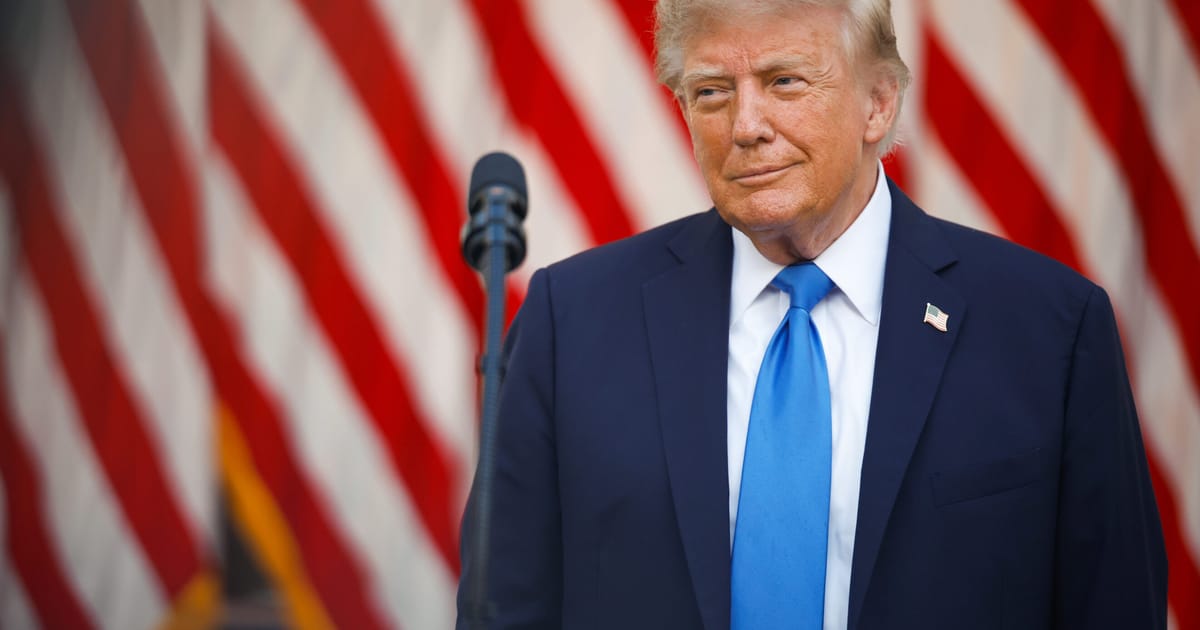
Donald Trump has publicly celebrated the Alternative for Germany's historic result in Saxony-Anhalt, where the far-right party took 43.8 per cent of the vote on Sunday, more than doubling its 2021 showing and falling just three seats short of an outright majority in the state parliament.
"Wow! The Populist Party in Germany just had a really big night," Trump wrote on Truth Social on Tuesday. "They finally got tired of the absolutely horrible Immigration rules and regulations which have hurt Germany so badly." He signed off with "MGGA!!!", a German rendering of his Make America Great Again slogan.
The post was characteristic Trump: provocative, imprecise and deliberately disruptive. But it was also the latest signal of an alignment between the Trump administration and Europe's far-right parties that goes well beyond social media posturing.
A result that reshapes eastern German politics
The AfD's 43.8 per cent in Saxony-Anhalt represents the strongest showing by a far-right party in a German state election since the founding of the Federal Republic. The party secured 39 of the 83 seats in the state parliament in Magdeburg, leaving it three seats short of governing alone and raising the possibility of Germany's first far-right-led state government since 1945.
Saxony-Anhalt, with roughly 2.2 million inhabitants and a long history of post-industrial economic decline, has been fertile ground for the AfD's messaging on immigration and national identity. The result more than doubled the party's vote share from the previous state election in 2021, reflecting both genuine electoral growth and the fragmentation of mainstream parties across eastern Germany. Federal statistics from Destatis consistently show the eastern Länder lagging behind western Germany on income and employment measures, conditions the AfD has exploited effectively.
The Trump-AfD courtship
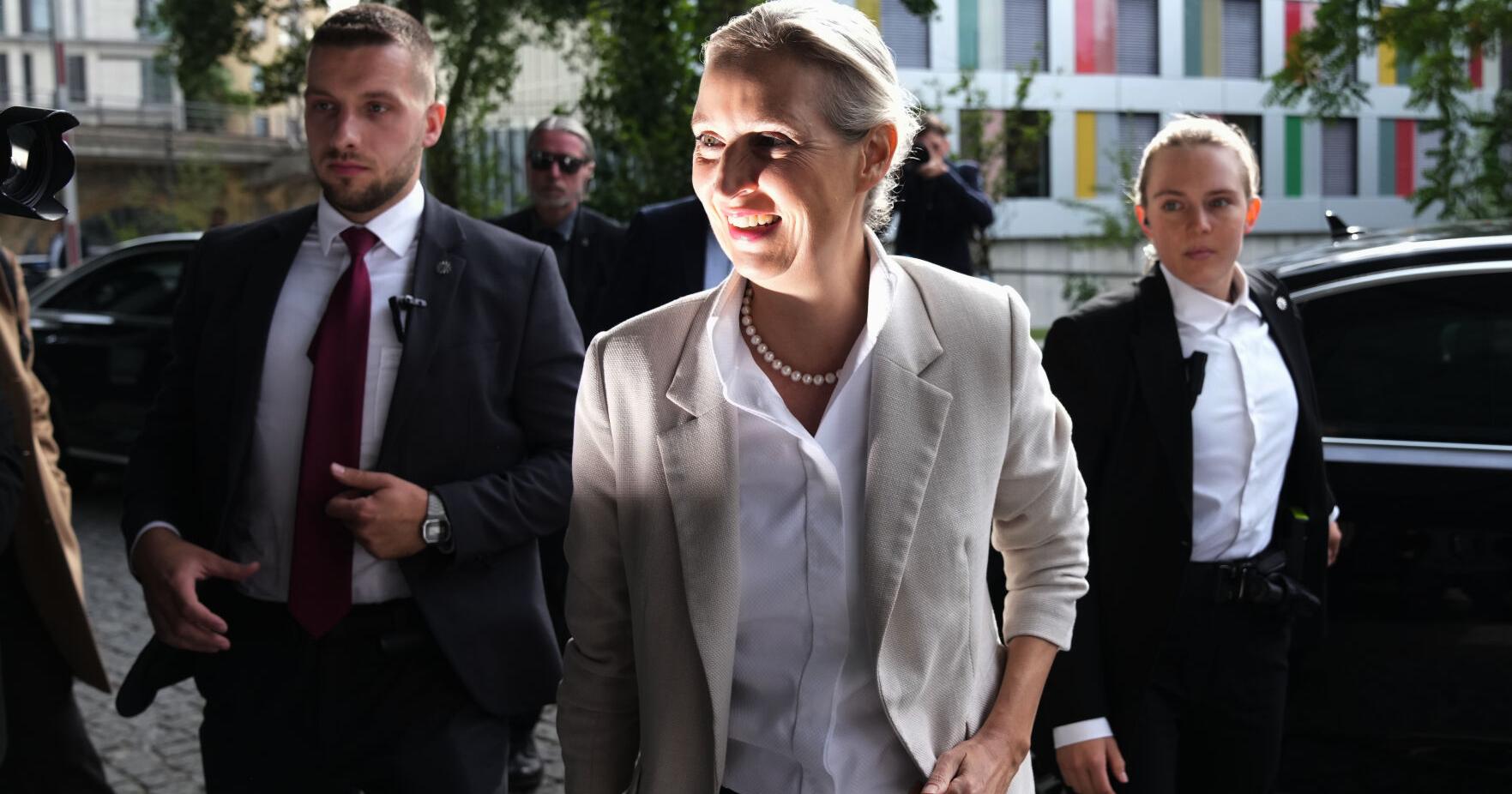
Trump's public endorsement did not emerge from nothing. The White House has built extensive ties with the AfD over the past two years. Vice President JD Vance met the party's co-leader, Alice Weidel, at the Munich Security Conference in February 2025 and publicly criticised Germany's "firewall", the informal consensus among mainstream parties to refuse coalition deals with the AfD at any level.
AfD officials visited the White House later that year. Senior Trump allies and administration figures have repeatedly backed the party, framing it as part of a broader transatlantic populist movement opposed to liberal immigration policies and multilateral institutions.
The relationship serves both sides, at least in theory. For the AfD, American validation lends international credibility to a party that Germany's domestic intelligence service classifies as right-wing extremist in several eastern states. For Trump, a strong AfD weakens the German government in Berlin, which has been among the most consistent European supporters of Ukraine and of EU sanctions on Russia.
An inconvenient patron
Yet AfD leaders have been careful to distance themselves from the Trump administration where they can. The calculation is straightforward: Trump is deeply unpopular among German voters, and visible association with him risks becoming an electoral liability rather than an asset. The party's domestic messaging emphasises German sovereignty and national interest, themes that sit uneasily alongside enthusiasm for an American president who has routinely questioned European security commitments.
The tension is unlikely to resolve. The AfD's platform calls for sharply restrictive immigration policies and a nationalist social conservatism that mirrors much of Trump's domestic agenda. It also opposes further military support for Ukraine, demands an end to sanctions on Russia and advocates closer ties with Moscow. Those positions align with Trump's own instincts on Russia and Ukraine, even as they put the AfD at odds with the majority of the Bundestag and with German public opinion on security.
Berlin pushes back
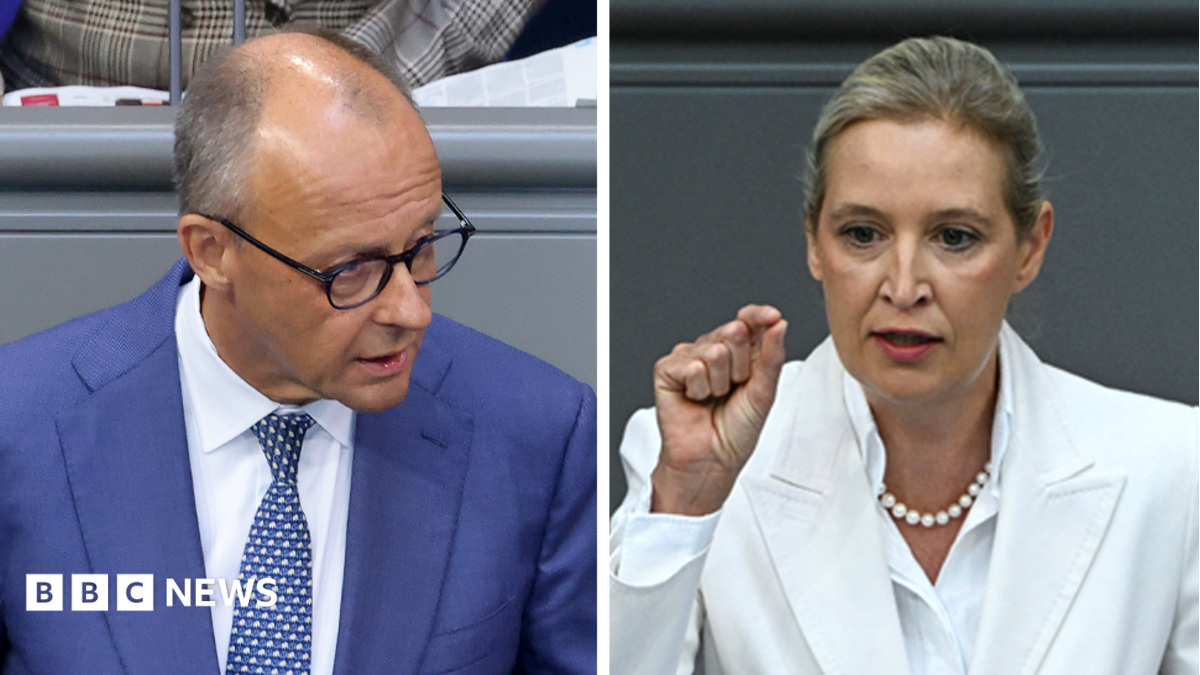
The reaction from Berlin was swift. Dirk Wiese, the Social Democratic Party's chief whip in the Bundestag and a member of Chancellor Friedrich Merz's governing coalition, called Trump's comments "not acceptable". He added: "I don't think we can put up with that, at least as the federal government."
Wiese's language was pointed but reflected a broader frustration. A sitting US president publicly cheering the electoral success of a German party that the domestic intelligence service monitors as a right-wing extremist threat is, to put it mildly, without recent precedent in transatlantic relations. It is also a direct challenge to the political norms that have governed German democracy since the war.
Chancellor Merz himself has not commented publicly on Trump's post. His silence speaks to the difficulty of the position: confronting the US president risks a diplomatic rupture with Washington, while staying silent risks normalising foreign interference in domestic politics.
What the numbers conceal
The 43.8 per cent figure is striking, but it requires context. Saxony-Anhalt is one of Germany's smallest and poorest states. Turnout patterns, demographic shifts and the collapse of the mainstream vote all contributed to the AfD's margin. The result does not automatically translate to national elections, where the party polls well below its eastern peaks, though it will intensify pressure on Merz's coalition to deliver on immigration and economic policy before the next federal contest.
The more immediate question is whether other parties in Saxony-Anhalt can form a coalition that excludes the AfD. With 39 of 83 seats, the arithmetic is difficult. If no stable anti-AfD coalition can be assembled, the state faces either a minority government or the previously unthinkable step of including the far-right in a governing arrangement.
People mentioned
-
Dirk Wiese
Organisations
Alternative for Germany · Social Democratic Party · Bundestag