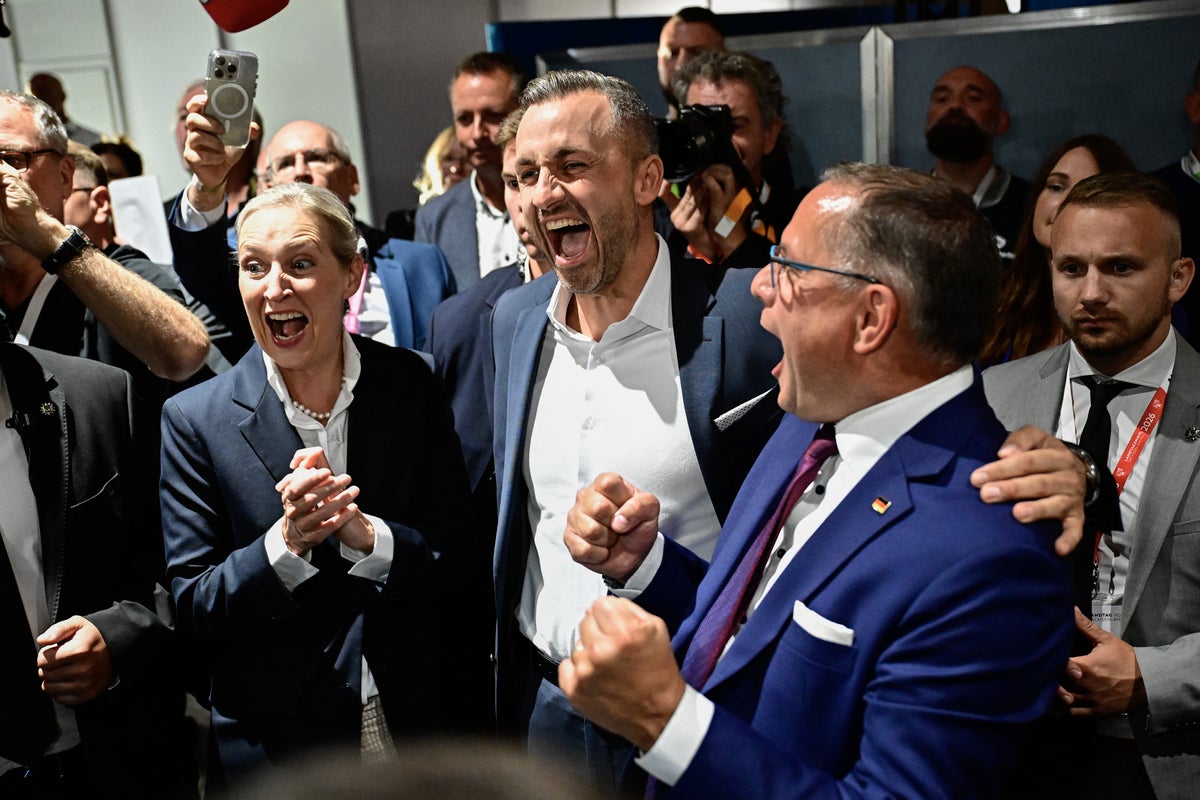
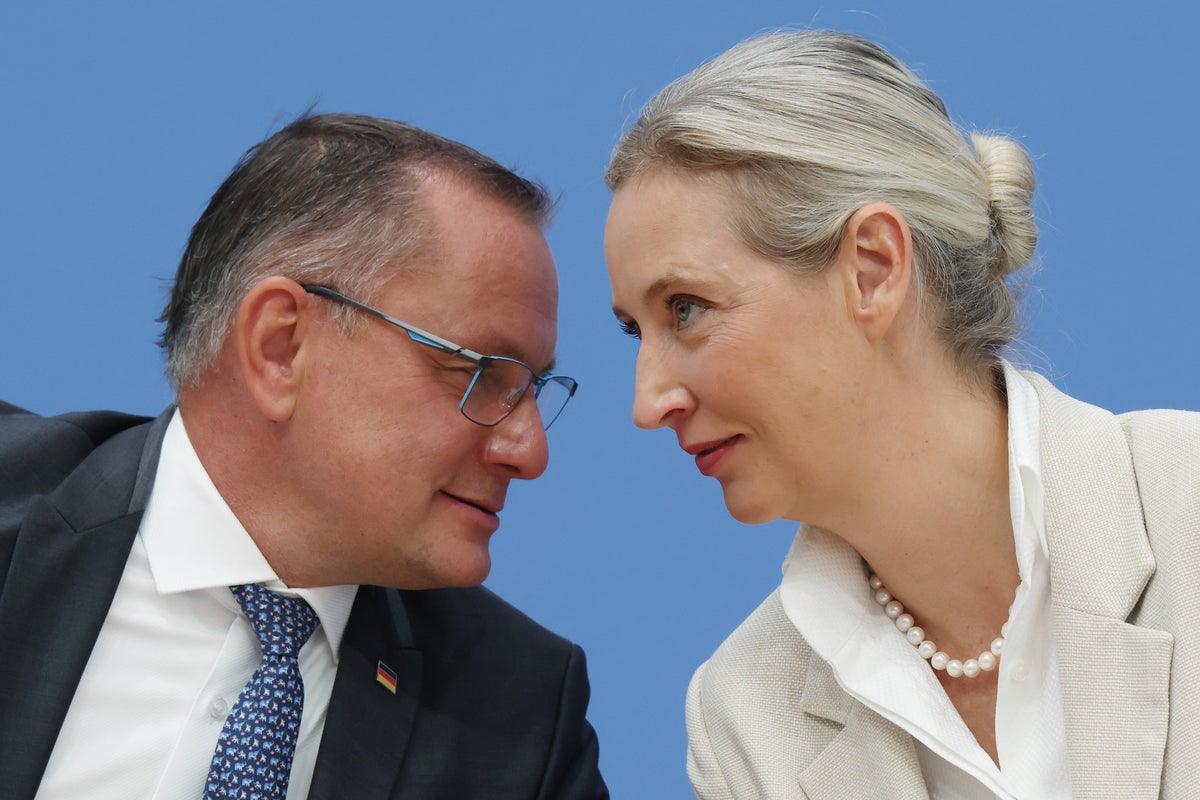
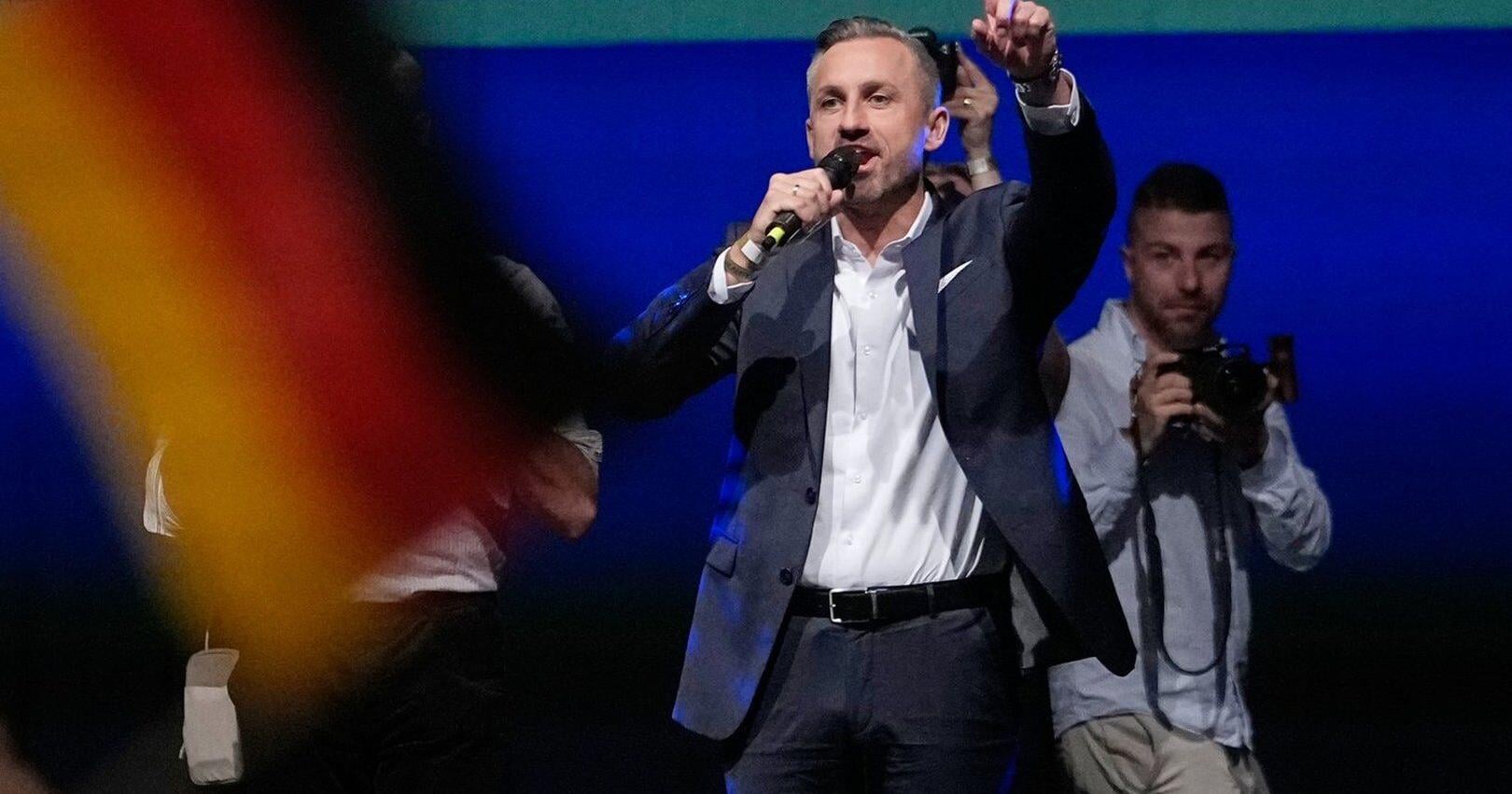
The Alternative for Germany (AfD) stands on the brink of governing a German state for the first time since 1945, and the shockwave has reached Brussels. With the Saxony-Anhalt election on 1 September showing the party within a few seats of an absolute majority, EU diplomats have turned the bloc's next seven-year budget into a race against the calendar. The target: a deal on the €2 trillion Multiannual Financial Framework (MFF) before December, before a cascade of national elections in 2027 makes agreement politically impossible.
An electoral calendar that terrifies Brussels
The problem is not Saxony-Anhalt alone. The state result is seen as a leading indicator for a year in which four of the five largest EU member states, France, Spain, Italy and Poland, hold parliamentary or presidential elections, alongside Greece, Estonia and Slovakia. "With four of the five largest EU member states voting in parliamentary or presidential elections, it will be more difficult to reach an agreement, especially if we look at the rise of anti-European populism," said Siegfried Mureșan, the European Parliament's lead lawmaker on the budget. "Everyone understands the obvious negative consequences of a delayed adoption and entry into force of the MFF."
The French presidential election, whose first round is scheduled for 18 April 2027, dominates the calculation. Marine Le Pen has campaigned on halving France's contribution to the EU budget. A Le Pen victory after the MFF is settled would be disruptive; a victory before the deal is done could paralyse negotiations entirely. As one diplomat put it: "Saxony-Anhalt could really define the fall. It will make it clear that it is crucial to get agreement this year. If we don't get it in December, it can't be February or March, that will be too close to the French election."
France's own-resources red line
Paris is not a passive observer. President Emmanuel Macron, facing far-right pressure at home, is pushing for new EU-wide revenue sources, "own resources", to fund Brussels without increasing national contributions. France wants levies on US digital giants, foreign polluters and online gambling. "Any agreement without own resources will be a no-go for France," said an EU official. That demand complicates the arithmetic for the net contributors who want a smaller overall pot.
Deadlock between contributors and recipients
Negotiations have been stalled for months. Germany leads a group of wealthier countries demanding hundreds of billions in cuts to the Commission's proposal. On the other side, net recipients such as Romania and Poland want the envelope maintained. The Commission's own Budget Commissioner, Piotr Serafin, warned ministers meeting in Ireland, holder of the rotating Council presidency, that the areas Brussels most wants to strengthen (competitiveness, defence and security) "become the first victims of cuts."
Eastern members argue the security burden has shifted. "The next EU budget will inevitably involve difficult choices. There will never be enough money for every priority," Estonian Prime Minister Kirsten Michal said after meeting Costa. "But the choice should be clear: Europe cannot ask its eastern members to carry a growing security burden while funding priorities as if the world had not changed."
A summit calendar designed to force a deal
The Irish presidency has laid out a rigid sequence. EU leaders discuss the budget at a summit on 15 October, where Dublin will present an updated negotiating position. A second summit is expected on 26-27 November to advance the talks. A final, potentially marathon meeting in December will be the last chance: officials say leaders will be persuaded not to leave without striking a deal. "Everybody seems to be aware of and committed to the end-of-year deadline," one official said. Costa's "key message has been we need to get this deal over the line by then because of the context."
Thomas Byrne, Ireland's Europe Minister steering the talks, put the presidency's agenda bluntly: "To get it done by the end of the year in order that the legislation can be passed next year." The legislation, the MFF regulation and the own-resources decision, must be adopted by the Council and Parliament before the current framework expires. If the December summit fails, the legal timeline slips into 2027, directly into the French election campaign.
Why the AfD result matters beyond Germany
The AfD's projected performance in Saxony-Anhalt does not change Berlin's national government. But it signals a shift in the political weather that Brussels cannot ignore. A far-right government in an eastern German state would embolden similar forces across the continent, particularly in France, where Le Pen's National Rally leads polls. It would also harden the stance of governments already reluctant to deepen EU fiscal integration. The budget is the most concrete expression of that integration; a smaller, weaker MFF would be a victory for those who want the Union to do less.
People mentioned
Organisations
European Council · European Commission · European Parliament · Government of Ireland · Government of Estonia · Alternative for Germany (AfD)