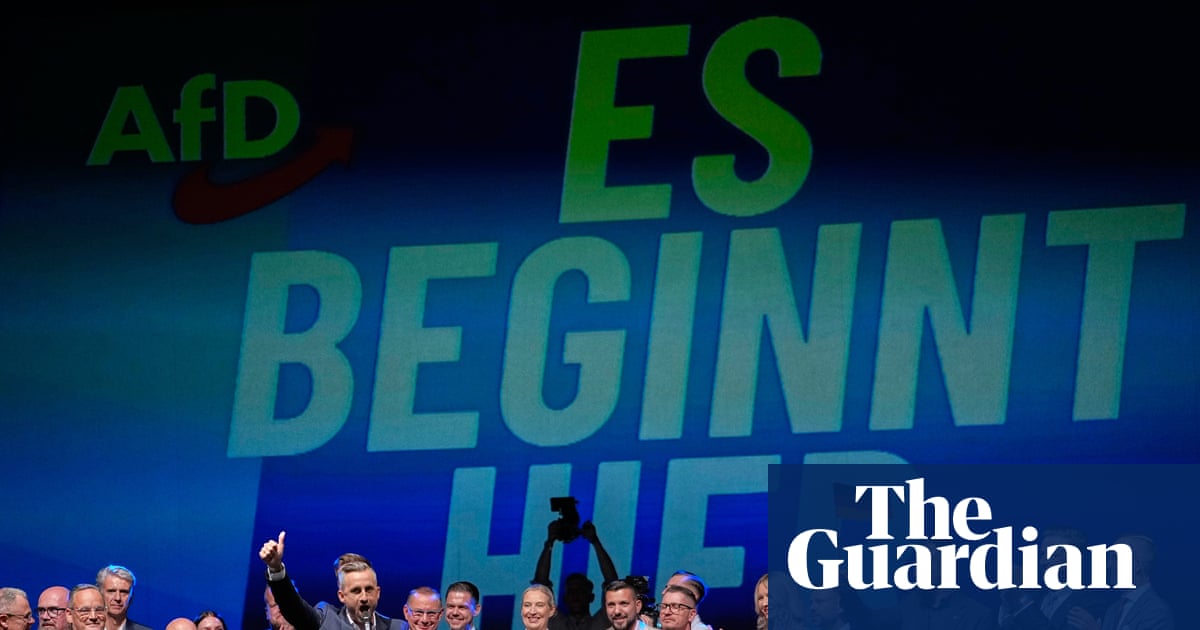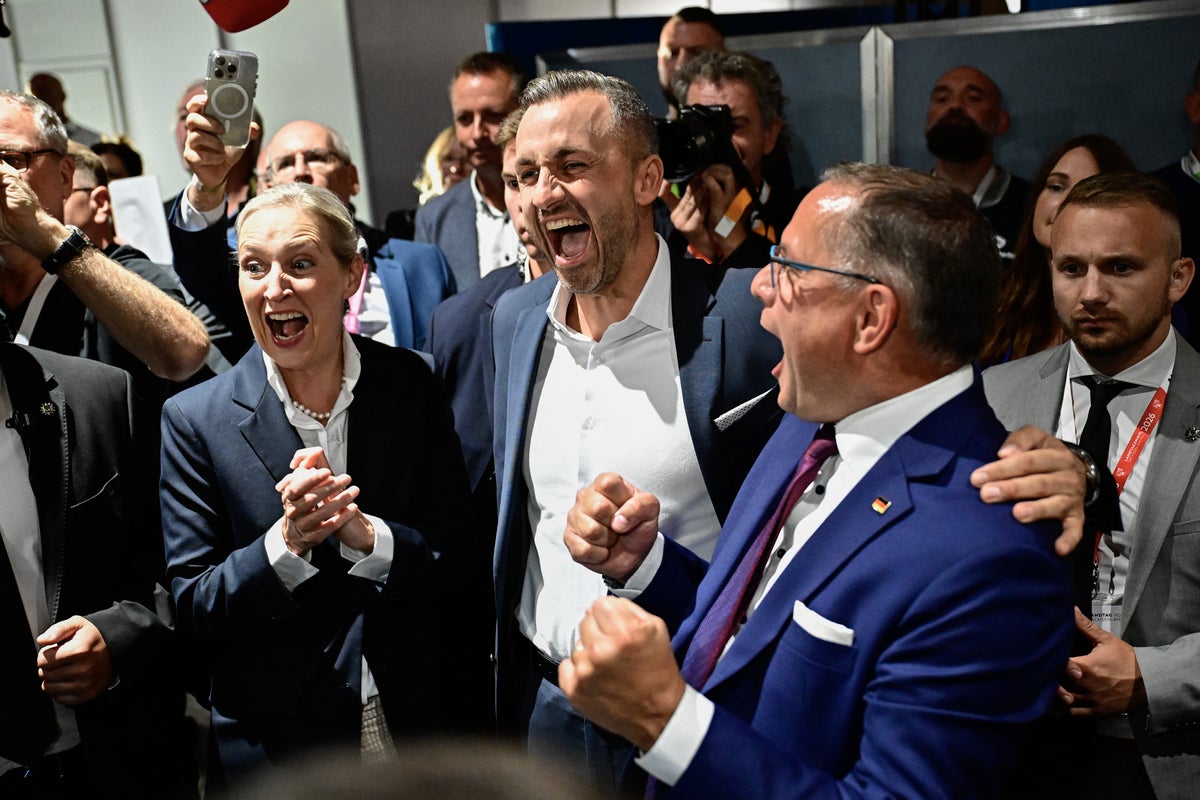
A party that German domestic intelligence classifies as a confirmed right-wing extremist organisation just won 43.8% of the vote in a state election. The Alternative for Germany (AfD) did not merely top the poll in Saxony-Anhalt on 7 September. It obliterated the field. The Christian Democratic Union (CDU) managed 17.2%. The Social Democratic Party (SPD) scraped together 9.3%. Those are not typos.
Why a small state matters disproportionately
Saxony-Anhalt is home to roughly 2.1 million people, about 2.5% of Germany's population. Dismissing the result as a regional peculiarity would be convenient. It would also be wrong. Turnout was 77.8%, the highest the state has ever recorded. The people who voted were not a disgruntled fringe. And the forces reshaping German politics, from voter migration away from the big-tent parties to the fragmentation of coalition arithmetic, are national, not local.
The AfD's state branch in Saxony-Anhalt is designated an extremist organisation by the Federal Office for the Protection of the Constitution. That designation has not dented its appeal. If anything, the party's framing of itself as the target of a hostile establishment appears to have reinforced it.
Merz and the collapse of centre-right authority
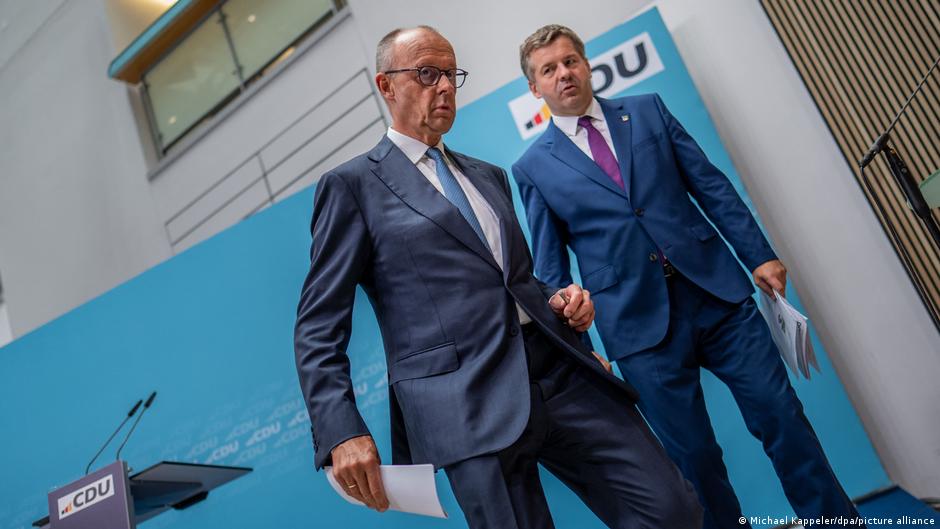
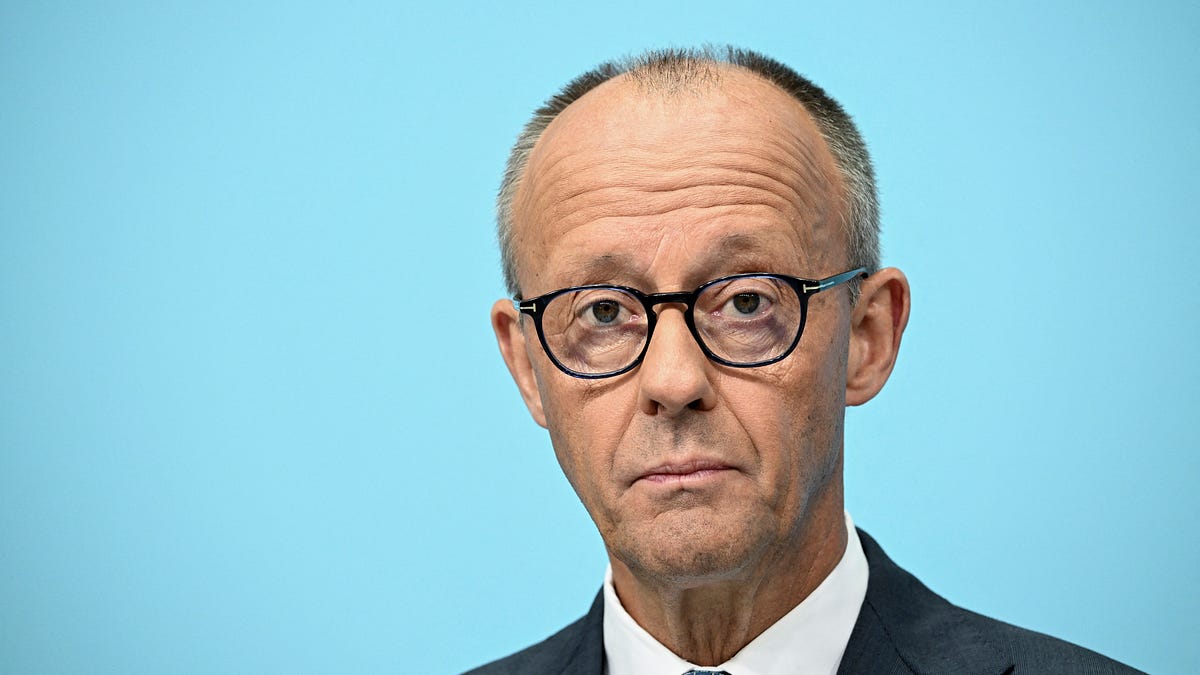
Friedrich Merz became chancellor on 6 May 2025. His tenure has been marked by internal coalition friction and a public perception of governmental drift. A survey conducted immediately after the Saxony-Anhalt vote found that 88% of respondents believed a more competent federal government would weaken the AfD. That is a devastating verdict on the incumbent.
Merz's personal ratings have sunk below the historic lows recorded by his predecessor, Olaf Scholz. The CDU leadership excluded him from the Saxony-Anhalt campaign trail, an admission that the chancellor is now a liability in eastern Germany. His response to the result, promising to "reach people more effectively" through "emotional engagement", was met with scepticism even within his own camp.
Der Spiegel columnist Swantje Karich diagnosed the problem as structural, not merely presentational. "The centre-right has a trust problem," she wrote. "On the basis of that statement, it is difficult to take his empathy seriously." Karich warned that if the CDU continues on its current trajectory, it risks irrelevance after the 2029 federal election, raising the possibility of an AfD-led national government.
The coalition arithmetic that no longer adds up
Germany's post-war political system was built around two large parties capable of forming stable majorities with at most one junior partner. That model is breaking down. In Saxony-Anhalt, the combined vote share of the CDU and SPD was 26.5%, barely half the AfD's total. Add in the Greens and the Free Democrats, and the traditional centre still falls short. The Left Party and the Sahra Wagenknecht Alliance (BSW) occupy space on the populist left that mainstream parties cannot easily absorb, and coalition options involving them are fraught with ideological incompatibility.
The AfD is the single largest party in the state by a wide margin. No governing coalition can be formed without either accepting its participation or cobbling together an unwieldy alliance of four or five smaller parties, some of which have ruled out working with each other. This is the balkanisation of German electoral politics, and it is accelerating.
The east-west narrative is losing its force
It has become customary to frame AfD strength as an eastern German phenomenon, a residue of reunification trauma and democratic inexperience. That framing is now untenable. As Der Spiegel's Jochen-Martin Gutsch observed, the AfD was polling at around 20% in several western German states at the time of the Saxony-Anhalt vote. A decade ago, 20% in the east prompted outrage. Today, 20% in the west is treated as unremarkable. "The wiser course would be to admit: if something doesn't happen soon, the West will turn AfD-blue too," Gutsch wrote.
The moral-comfort zone of western condescension towards eastern voters is shrinking. The AfD's gains are no longer a regional story. They are a national one, rooted in economic dislocation, cultural anxiety and a pervasive sense among voters that mainstream parties neither understand nor particularly like them.
Outrage is not a strategy
Der Spiegel columnist Sabine Rennefanz argued that the dominant response to the Saxony-Anhalt result, condemnation and incredulity on television panels, was itself part of the problem. "A democracy that communicates with almost half its citizens only through warnings and labels gives up on political debate before it has even begun," she wrote. Her argument is not that AfD voters are misunderstood moderates. It is that a political centre which treats material grievances as a communications problem, to be managed rather than addressed, will continue to lose ground.
The SPD's response encapsulated the dynamic. The party celebrated its "stable" 9.3% result. A former big-tent party that once governed Germany treating single-digit vote share as an achievement is a measure of how far expectations have collapsed.
The international dimension
The AfD's momentum is not unfolding in isolation. US President Donald Trump explicitly endorsed the party with a post branding it with the slogan "MGGA", a German-language variant of his own movement's rallying cry. Trump's intervention, posted during a ten-hour flurry of AI-assisted content, signals that the AfD now operates within a transatlantic network of populist right-wing movements that can amplify its reach and legitimacy.
People mentioned
-
Swantje Karich
-
Sabine Rennefanz
-
Jochen-Martin Gutsch
Organisations
Alternative for Germany · Christian Democratic Union · Social Democratic Party · Federal Office for the Protection of the Constitution