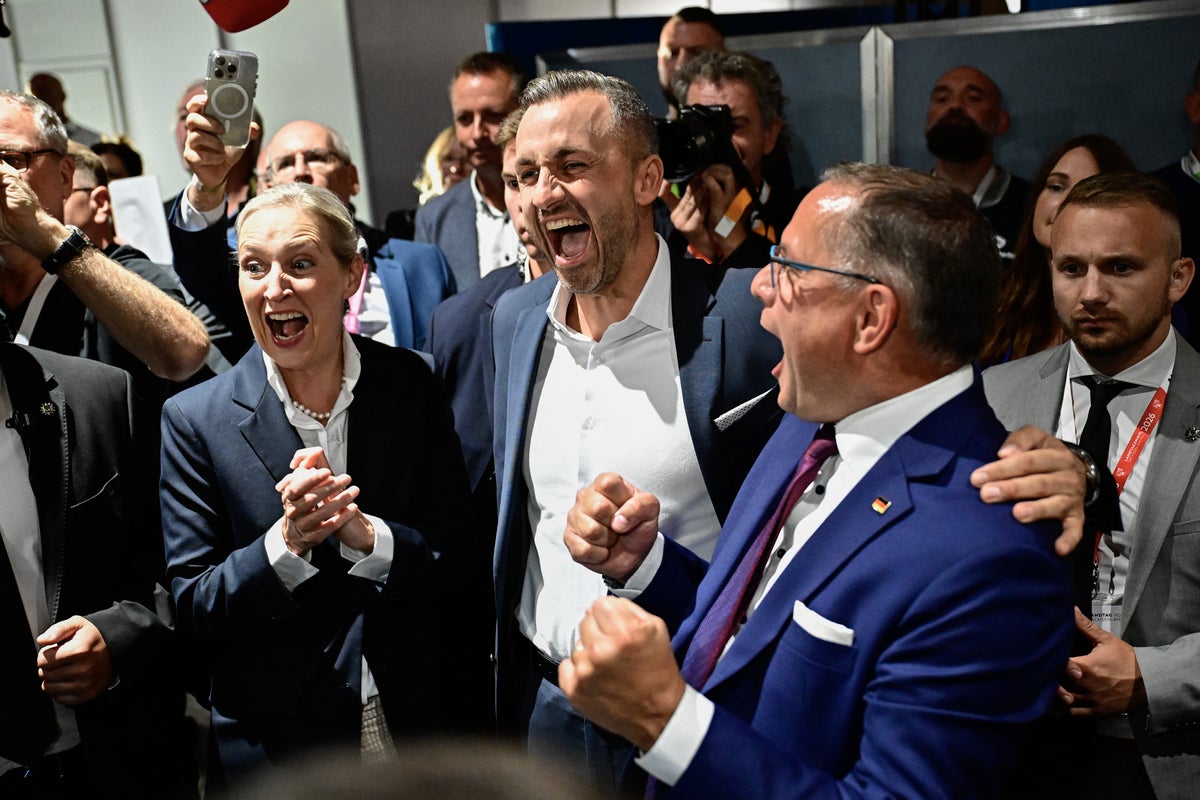
The Alternative for Germany (AfD) has won the Saxony-Anhalt state election with 43.8% of the vote, securing 39 seats in the 83-member Landtag and becoming the strongest party in an eastern German state for the first time. Yet the result, confirmed by preliminary official tallies on Monday, stops short of an absolute majority, leaving the far-right party without an obvious path to government.
A historic result without a governing majority
The AfD's 43.8% represents a dramatic surge from the 23.7% it recorded in the 2021 state election. Turnout climbed to nearly 78%, the highest since reunification, suggesting the election mobilised voters who had previously stayed home. Six parties cleared the 5% threshold: the AfD, CDU, SPD, Linke, Greens and the newly formed Sahra Wagenknecht Alliance (BSW). The business-friendly FDP collapsed to 2.6%, losing the seats it had held since 2016 and ending the three-party coalition that had governed Magdeburg for the past five years.
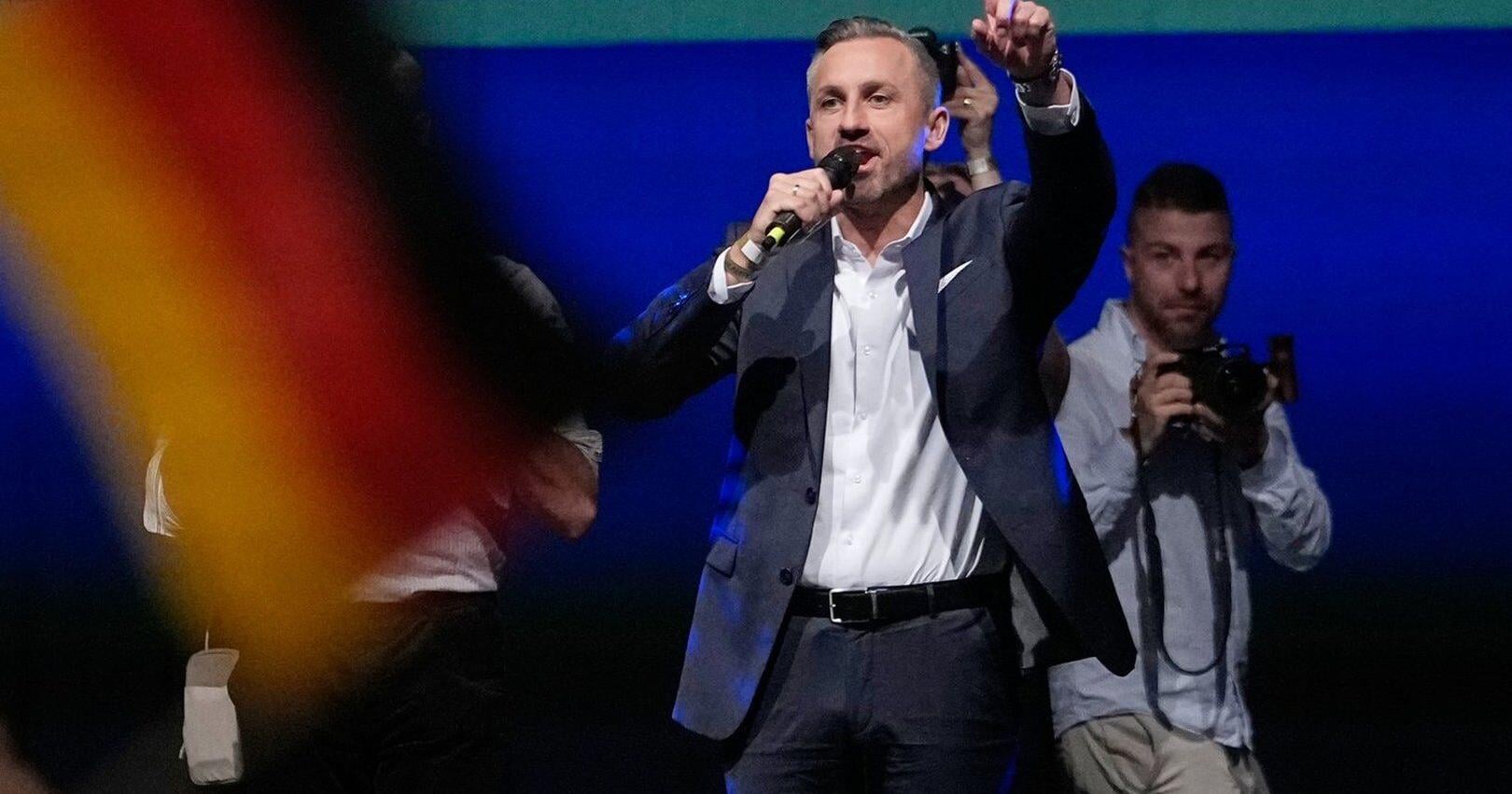
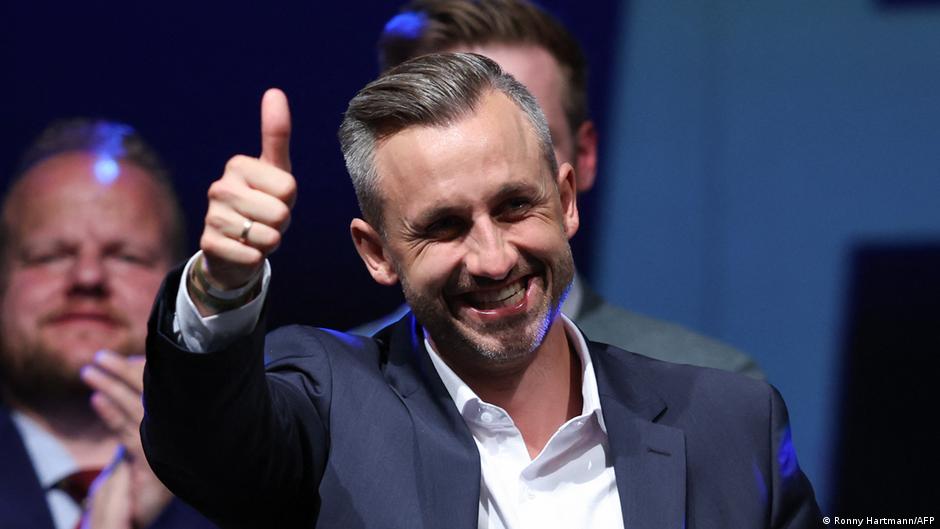
AfD lead candidate Ulrich Siegmund declared the outcome "a clear mandate to govern" and confirmed he would stand for minister-president when the new parliament convenes. He acknowledged, however, that he currently sees no coalition partner. "I don't know whether there are individual lawmakers who might say: 'That's it, I'm not playing along with this anymore,'" he told reporters, adding that new elections remained an option. "In the worst-case scenario, there would simply be new elections, and then we would get 50% or 55%," he said.
CDU's eastern wall crumbles
For Chancellor Friedrich Merz's Christian Democrats, the night was a catastrophe. The CDU not only recorded its worst Saxony-Anhalt result since 1990 but failed to win a single one of the 41 direct constituency mandates, seats awarded by first-past-the-post voting in each district. In 2021 the party held 40 of them. AfD candidates prevailed in 38 constituencies, including Siegmund's own in Genthin; the Left Party took the remaining three in Magdeburg and Halle. The collapse underscores how thoroughly the CDU's traditional eastern stronghold has eroded, a development that will reverberate in Berlin ahead of the 2029 federal election.
The firewall holds, for now
Germany's established parties have long maintained a "political firewall" against cooperation with the AfD, a policy the CDU formalised in 2018. That firewall now faces its sternest test. Arithmetically, a majority without the AfD would require an alliance of all five other parties, an improbable constellation given that the CDU also rules out cooperation with the Left Party. A CDU-led minority government would need at least tacit support from either the AfD or the Left, both of which the firewall forbids. The BSW's five seats could theoretically enable a CDU-SPD-Greens-BSW coalition, but Wagenknecht has explicitly ruled out supporting a CDU-led government.
Wagenknecht went further, arguing that the exclusion strategy has failed. "The policy of keeping the AfD out of government has failed. Simply trying to form another coalition to exclude the AfD would be an affront to voters," she said. Her party, which blends left-wing economic demands with culturally conservative positions on migration and opposition to Russia sanctions, campaigned on a "political reset" and narrowly cleared the 5% hurdle. She has ruled out a formal coalition with the AfD but left the door open to issue-by-issue cooperation, potentially giving her group the balance of power in Magdeburg.
International alarm and a billionaire's endorsement
Foreign newspapers framed the result as a watershed. La Repubblica called it an "unsettling new page in German history," noting that Saxony-Anhalt's voters, just 3% of the national electorate, had chosen a party classified as right-wing extremist by domestic intelligence. Corriere della Sera wrote that Germany would "never be the same," while El País argued that Europe's democrats must rethink strategies of either mimicking or isolating the far right. The Wall Street Journal pointed to liberal immigration policy and weak economic performance as drivers, warning that voters could ultimately "gamble on letting the AfD lead the country alone."
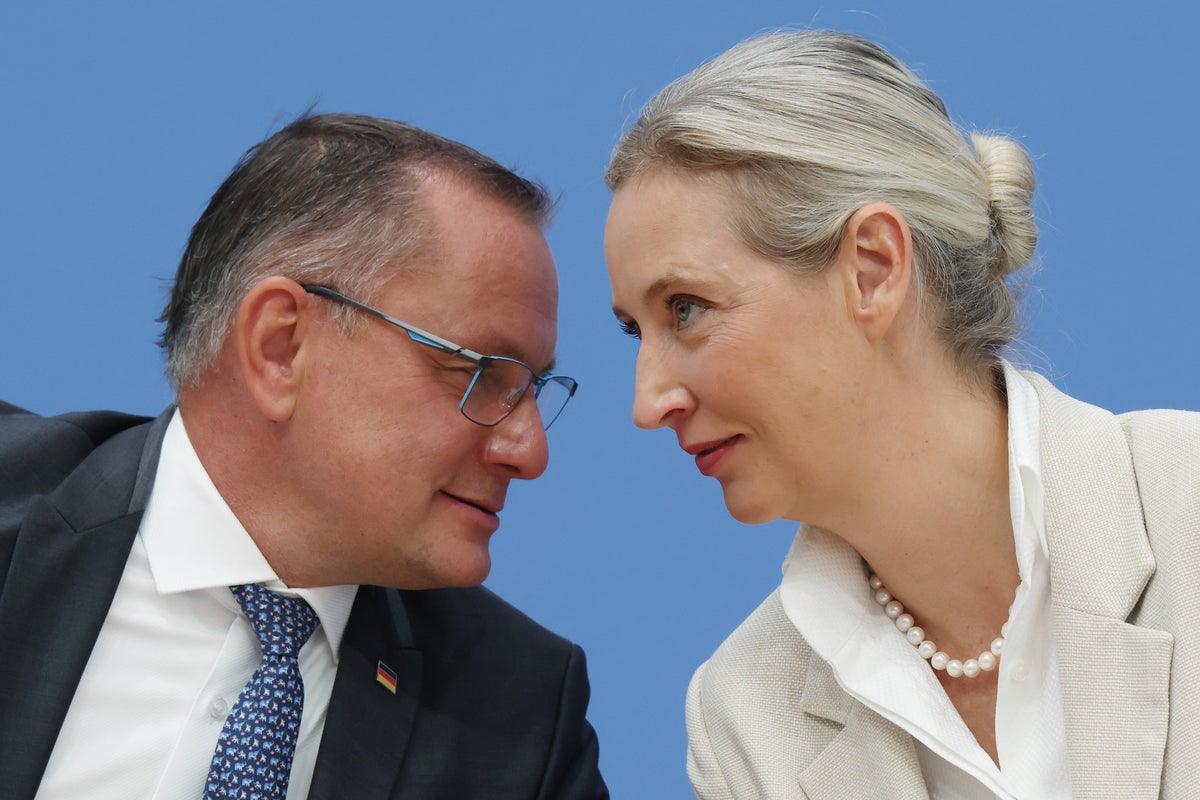
Elon Musk, the world's richest man and a close adviser to US President Donald Trump, posted "Gut gemacht!" on his platform X in reply to Alice Weidel's congratulatory message. Siegmund responded by thanking Musk and inviting "strong and constructive cooperation," adding that Germany would "once again be a place worth investing in." Since Trump's return to the White House, AfD leaders have deepened ties with Washington; Weidel has called the US president a role model, and party representatives attended his inauguration. Czech parliament speaker Tomio Okamura, whose far-right SPD party sits in Prague's governing coalition, also congratulated the AfD, attributing the win to the "bad politics" of "liberal, EU-friendly" German parties.
Economic grievances and a changed pitch
Analysts caution against reducing the AfD's breakthrough to a single cause. Saxony-Anhalt's economic output per capita stands at roughly three-quarters of the national average, with lower wages and higher unemployment than the western states. The chemical, engineering and manufacturing sectors that dominate the regional economy have struggled with energy costs and structural change. Yet historian Katja Hoyer argues migration alone no longer explains the party's rise. The AfD ran a more upbeat campaign centred on Siegmund, while mainstream parties failed to offer a positive vision of change. The party's platform for government includes mandatory work for asylum-seekers, cuts to integration programmes, banning rainbow flags in schools and reducing funding for pro-democracy initiatives, though many such measures would face legal challenges or exceed state competencies.
What happens next in Magdeburg
The outgoing CDU-SPD-FDP cabinet under Sven Schulze remains in office in a caretaker capacity. The new parliament must convene within 30 days of the election, at which point Siegmund will stand for minister-president. If he fails to secure a majority in three rounds of voting, the constitution allows a minority government to be elected by plurality, but only if the firewall parties abandon their refusal to tolerate AfD support. Alternatively, the parliament can dissolve itself and trigger a new election, a scenario Siegmund has openly welcomed. Coalition talks between the CDU, SPD, Greens and BSW are expected to begin this week, though Wagenknecht's rejection of a CDU alliance makes a non-AfD majority mathematically precarious. The next scheduled state elections in Mecklenburg-Western Pomerania and Berlin, both due in 2026, will test whether the AfD's surge is a regional anomaly or a national trend.
People mentioned
Organisations
Alternative for Germany · Christian Democratic Union · Sahra Wagenknecht Alliance · Social Democratic Party of Germany · Free Democratic Party · The Left Party