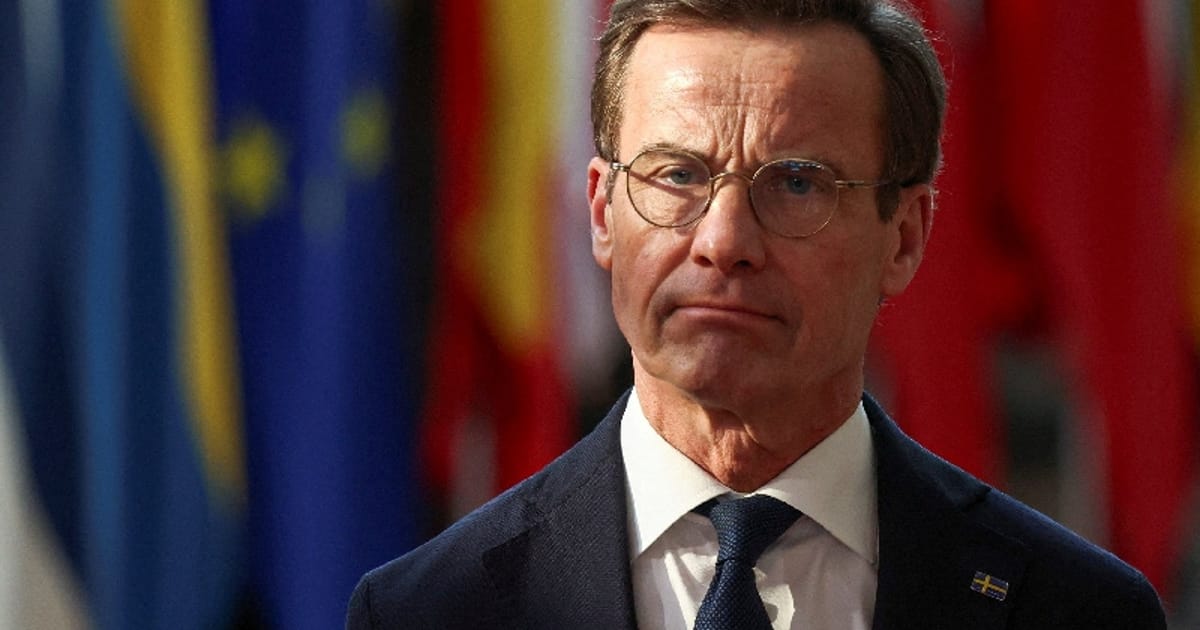
Stockholm is preparing for a vote that could redefine the Nordic political model. Ulf Kristersson, the Swedish prime minister, has formally proposed including the Sweden Democrats in his cabinet following the general election this Sunday. This move abandons a specific pledge made in 2018 to treat the party as a pariah. It signals that the cordon sanitaire surrounding populist right-wing movements in Northern Europe has effectively collapsed.
Kristersson leads the Moderate Party. He argues that his current minority administration, which relied on Sweden Democrat votes without giving them ministerial posts, has delivered stability. Now he seeks a majority coalition. The shift reflects a calculation that the political cost of normalising the far right is lower than the cost of instability. Voters will decide whether this pragmatism warrants a second term.
The Policy Record and Claims
The government points to hard data to justify its direction. Asylum applications have fallen to their lowest level in four decades. Officials attribute this to abolished permanent residency for refugees and increased deportations. Violent crime metrics also show improvement. Shooting deaths are reported to be down by 75 per cent compared to previous peaks. Police powers have expanded alongside sentencing guidelines for serious offences.
However, legislative compromises remain visible. A proposal to detain violent 13-year-olds was rejected. The government settled for lowering the age to 14 instead. Critics argue these measures address symptoms rather than root causes of segregation. Eurostat migration data provides a broader context for these national figures, though Swedish policy now diverges sharply from EU averages.
Internal Power Dynamics
Polling suggests the right-wing bloc holds a narrow lead, but the internal hierarchy is unstable. The Sweden Democrats may secure more votes than the Moderates. This inversion challenges Kristersson's authority. If the junior partner becomes the senior force in the bloc, cabinet portfolios and policy vetoes could shift accordingly. Marie Demker, a professor at Gothenburg University, noted that the Sweden Democrats would be in control in practice.
Kristersson maintains a managerial style designed to smooth these frictions. Jenny Madestam, a political scientist at Sodertorn University, observed that he talks about being the adult in the room and has largely succeeded. Yet, a stronger showing by the Sweden Democrats tests that dynamic. The prime minister's influence depends on keeping his coalition partners subordinate, a task becoming harder with each election cycle.
European Implications
Sweden's trajectory aligns with wider continental trends. Finland and Italy have already integrated right-wing populist parties into governing coalitions. Stockholm's move removes one of the last Nordic exceptions to this rule. Security policy adds another layer. As NATO membership settles following recent accession, defence consensus remains broad. However, domestic social policy is now the primary battleground.
Opposition leaders warn of long-term damage to democratic norms. Birgitta Ohlsson, of the Centre Party, compared the shift to developments in the United States under Donald Trump. She argued she has lived in Donald Trump's USA the last few years and seen how fast it can go in the wrong direction. This rhetoric highlights the anxiety among centrist parties about permanent policy shifts on immigration.
The Election Stakes
The election is too close to call. Centre-left blocs have narrowed the gap in recent weeks. A victory for the left would halt the cabinet integration plan, though the Sweden Democrats would remain a significant opposition force. A victory for the right cement the new arrangement. The outcome determines whether Sweden treats the far right as a governing partner or a parliamentary supporter.
Kristersson's personal standing remains robust despite advisory scandals. He frames the choice as one between stability and chaos. The electorate must weigh reported crime reductions against concerns over social cohesion. No matter the result, the taboo against cooperation is broken. The question is now about the extent of power sharing, not the principle itself.
People mentioned
-
Marie Demker
Organisations
Moderate Party · Sweden Democrats · Centre Party · Sodertorn University · Gothenburg University