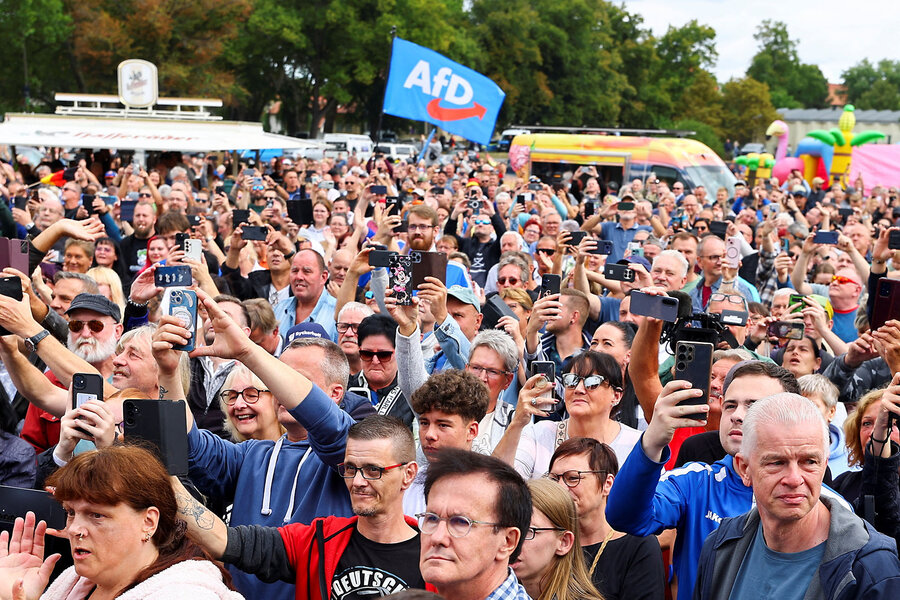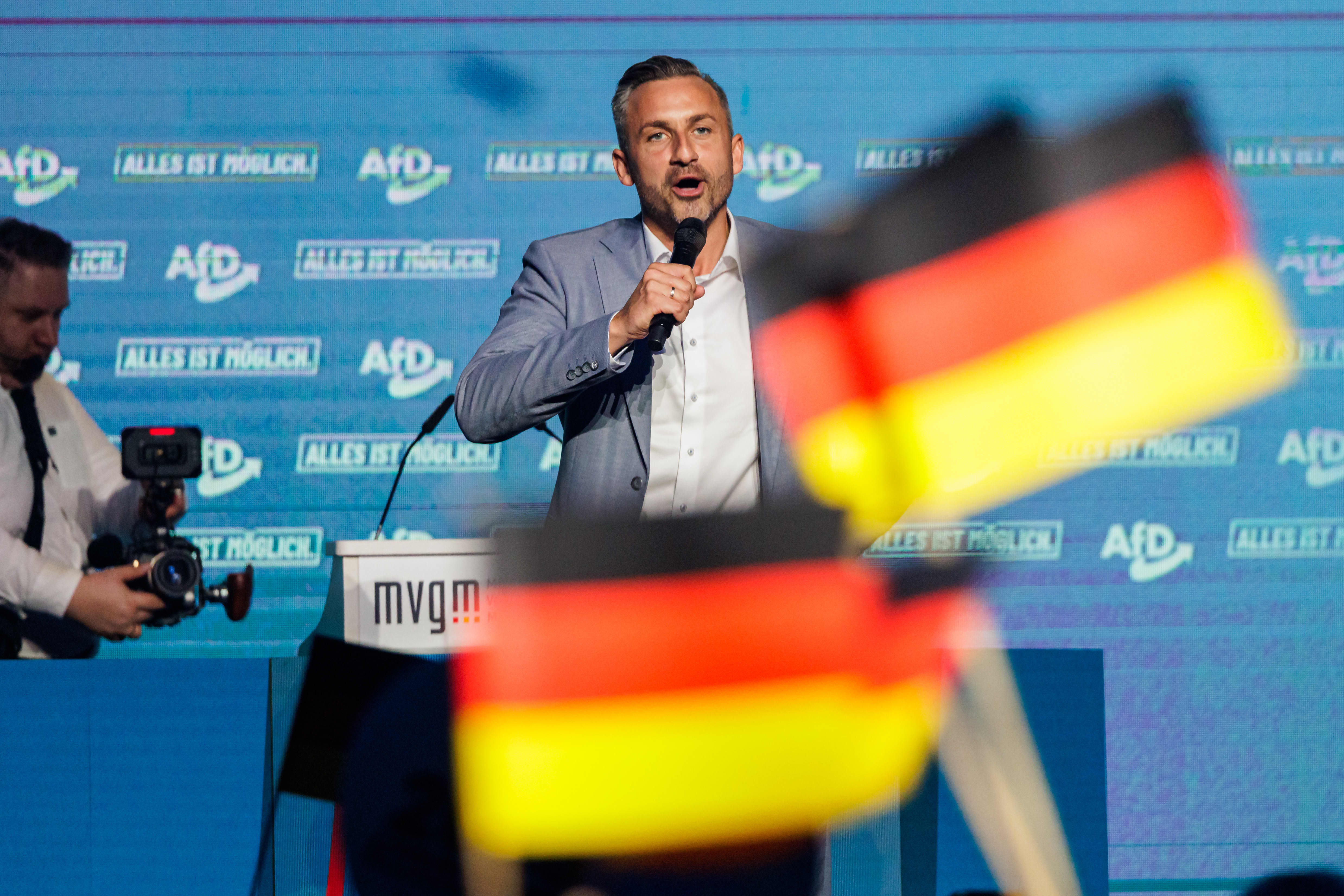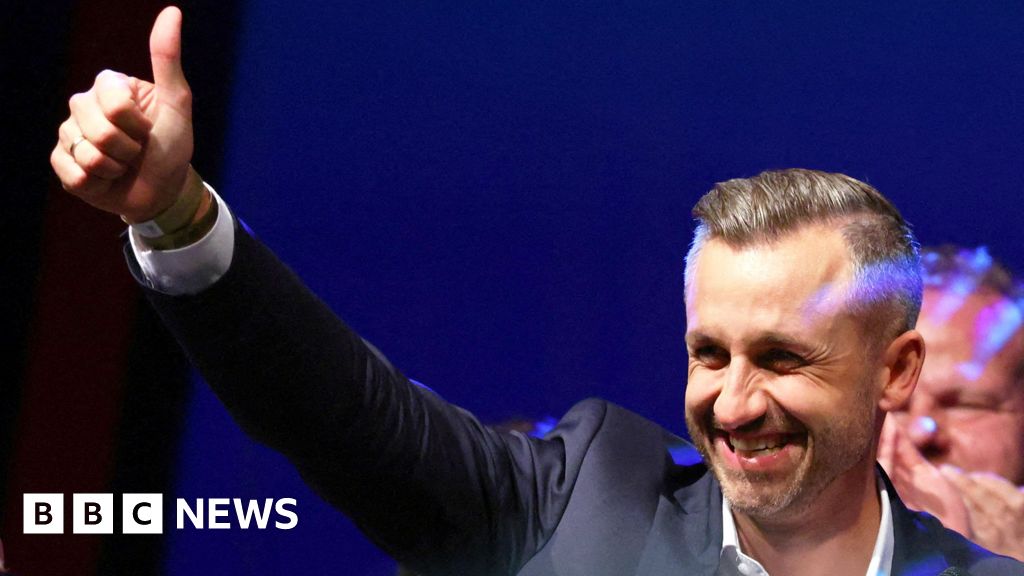
A regional election in Germany's smallest and poorest state has shaken the country's national politics and drawn attention from Moscow, Washington and Brussels. The Alternative for Germany (AfD) won a commanding share of the vote in Saxony-Anhalt on Sunday, falling just short of an outright majority but recording the strongest electoral performance by a hard-right nationalist party in the country since the Second World War.
The result is a direct blow to Friedrich Merz, Germany's conservative chancellor, who had promised to reduce the AfD's appeal. Instead, the party now polls as the largest political force nationwide. For a government already struggling with economic stagnation, energy costs and divisions over Ukraine policy, a regional vote in the east has become a national crisis.
Why Saxony-Anhalt matters beyond its size
Saxony-Anhalt holds just 1.7 million of Germany's 59 million eligible voters. Its economy lags behind the west by almost every measure. Yet the state has become a bellwether for discontent that mainstream parties have failed to contain. Between 2.3 and 3 trillion euros have been transferred to the former East Germany since reunification in 1990, depending on the accounting method and whether inflation is included. The gap endures.
In the east, the AfD's pitch is straightforward: cheaper Russian energy, an end to military aid for Ukraine, and a restoration of national pride. The party's campaign slogan, Anything is Possible!, was framed as optimism rather than grievance. What voters in Saxony-Anhalt responded to was not only anti-immigration rhetoric but a broader sense that decades of promises from Berlin have not delivered.
Moscow and Washington take notice
Within hours of the exit polls, Kirill Dmitriev, chief executive of the Russian Direct Investment Fund, posted that the result was historic, that Germany's government was discredited, and that Merz had been humiliated. He compared the chancellor to Keir Starmer, the British prime minister who resigned this summer under political pressure.
Dmitriev's interest is not hard to fathom. Germany is the largest single donor of military aid to Ukraine. The AfD wants to halt that assistance, end sanctions on Moscow and resume purchases of Russian energy. Whether or not there is coordination between the party and the Kremlin, their policy preferences align. The cutoff of cheap Russian gas after the 2022 invasion of Ukraine dealt a heavy blow to German industry, and the AfD has capitalised on the economic fallout.
Donald Trump also shared the Saxony-Anhalt exit poll on his Truth Social platform. The AfD's anti-immigration, anti-woke messaging mirrors his own. Yet Trump is rarely invoked on European campaign trails, where his unpopularity among voters makes him a liability rather than an asset for domestic politicians seeking broad support.
European nationalist parties diverge and converge
Santiago Abascal, leader of Spain's Vox party, posted on X that the AfD victory was a great hope for Germany and for Europe. The sentiment reflects a network of nationalist parties across the continent that share opposition to immigration and a preference for national sovereignty over EU coordination.
But the family is fractured. Marine Le Pen's National Rally expelled the AfD from its European Parliament grouping two years ago, judging the German party too radical. The parties differ in tone, policy and strategic calculation. What they share is a willingness to challenge European cohesion at a moment when external pressures, from NATO's confrontation with Russia to trade disputes with the United States and China, are testing it.
Brussels watches a year of elections
The next twelve months bring national elections in France, Italy, Spain and Poland. European institutions fear that hard-right and hard-left parties will make further gains, fracturing the coalitions needed to maintain a common foreign policy and economic defence. The concern in Brussels is not abstract. Sanctions against Russia require unanimity. Trade retaliation against Chinese overcapacity requires coordination. Defence commitments under NATO require political will that nationalist parties have shown little interest in sustaining.
The voters mainstream parties lost
European security officials warn that fractures in sanctions policy or weakening commitment to NATO embolden Moscow and raise the risk of further Russian aggression, potentially against Baltic states. Voters, however, are weighing different priorities: the cost of living, the state of public services, immigration, and a sense that established parties have delivered diminishing returns over decades.
The AfD's success in Saxony-Anhalt reflects that frustration more than a sudden ideological conversion. A region that backed mainstream parties for years did not become extremist overnight. The distinction matters, because treating the result solely as a far-right surge risks misdiagnosing what is also a collapse of trust in governing parties.
What the result means for Merz
Merz's coalition was already under strain. His promise to cut the AfD down has demonstrably failed. A regional vote cannot remove a national government, but it intensifies the pressure on a chancellor who must now decide whether to adjust policy on Ukraine, energy and immigration or hold a line that voters in the east have rejected in large numbers.
People mentioned
-
Kirill Dmitriev
Organisations
Alternative for Germany · Russian Direct Investment Fund · Vox · National Rally