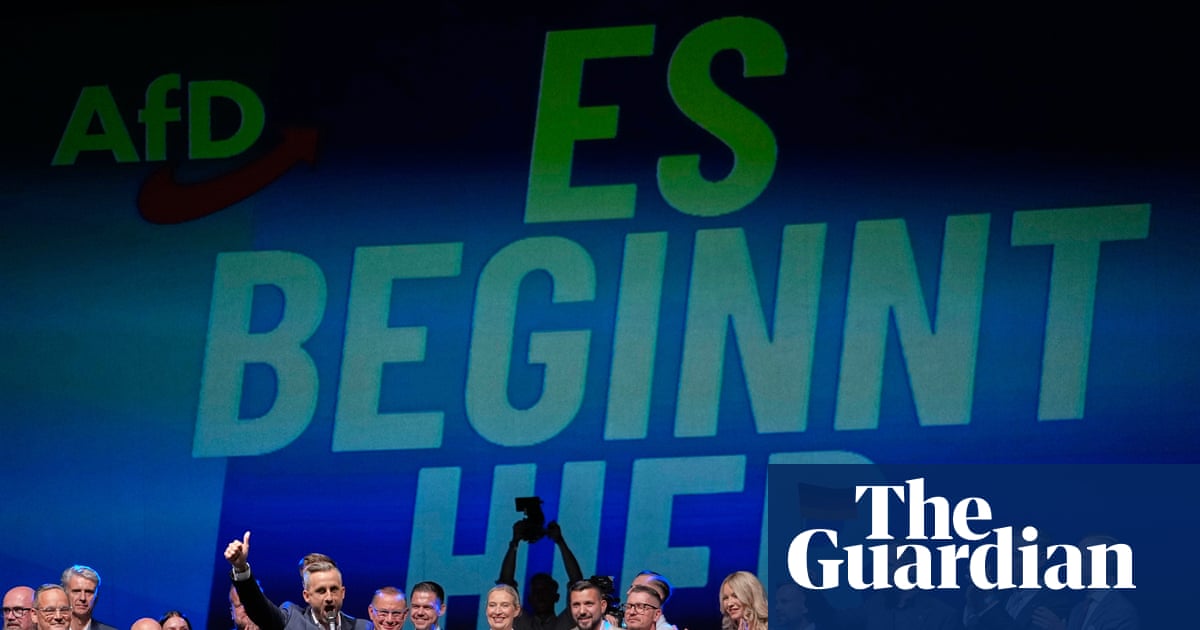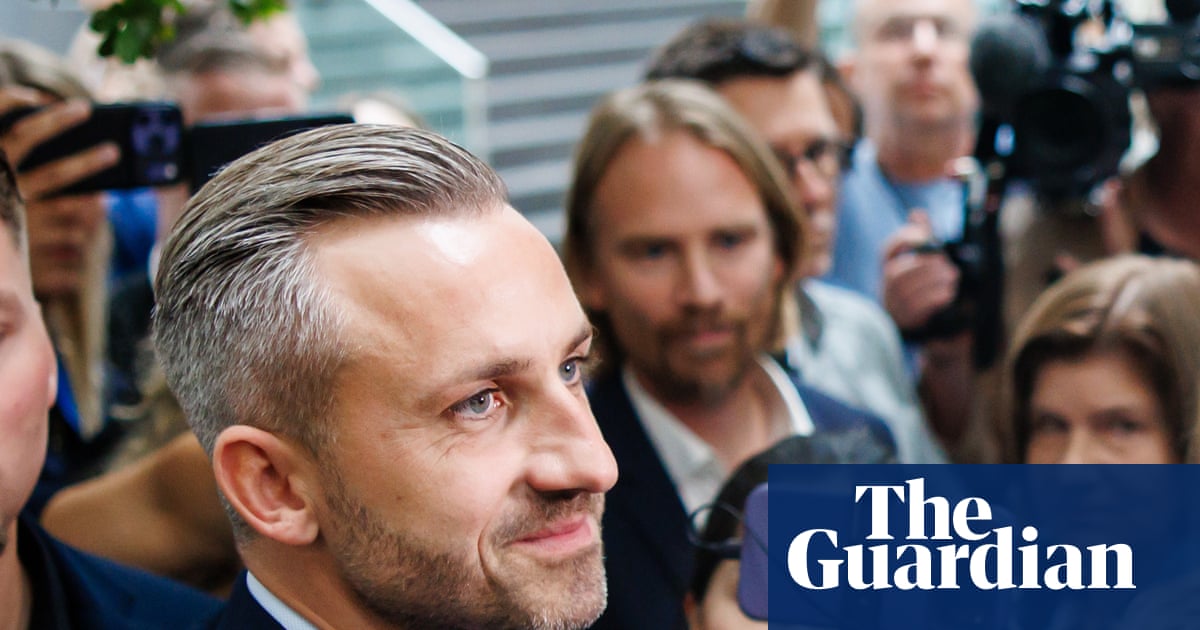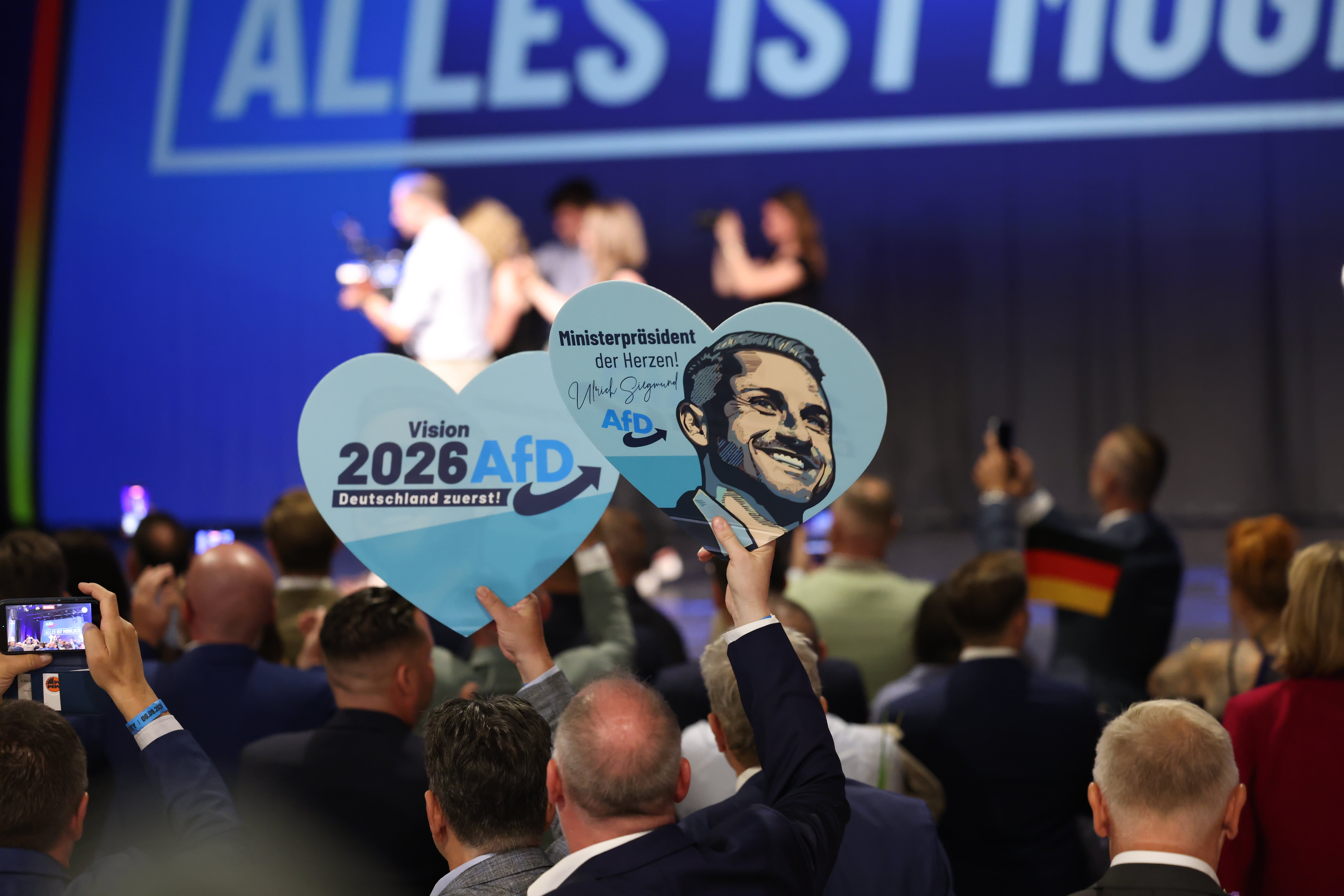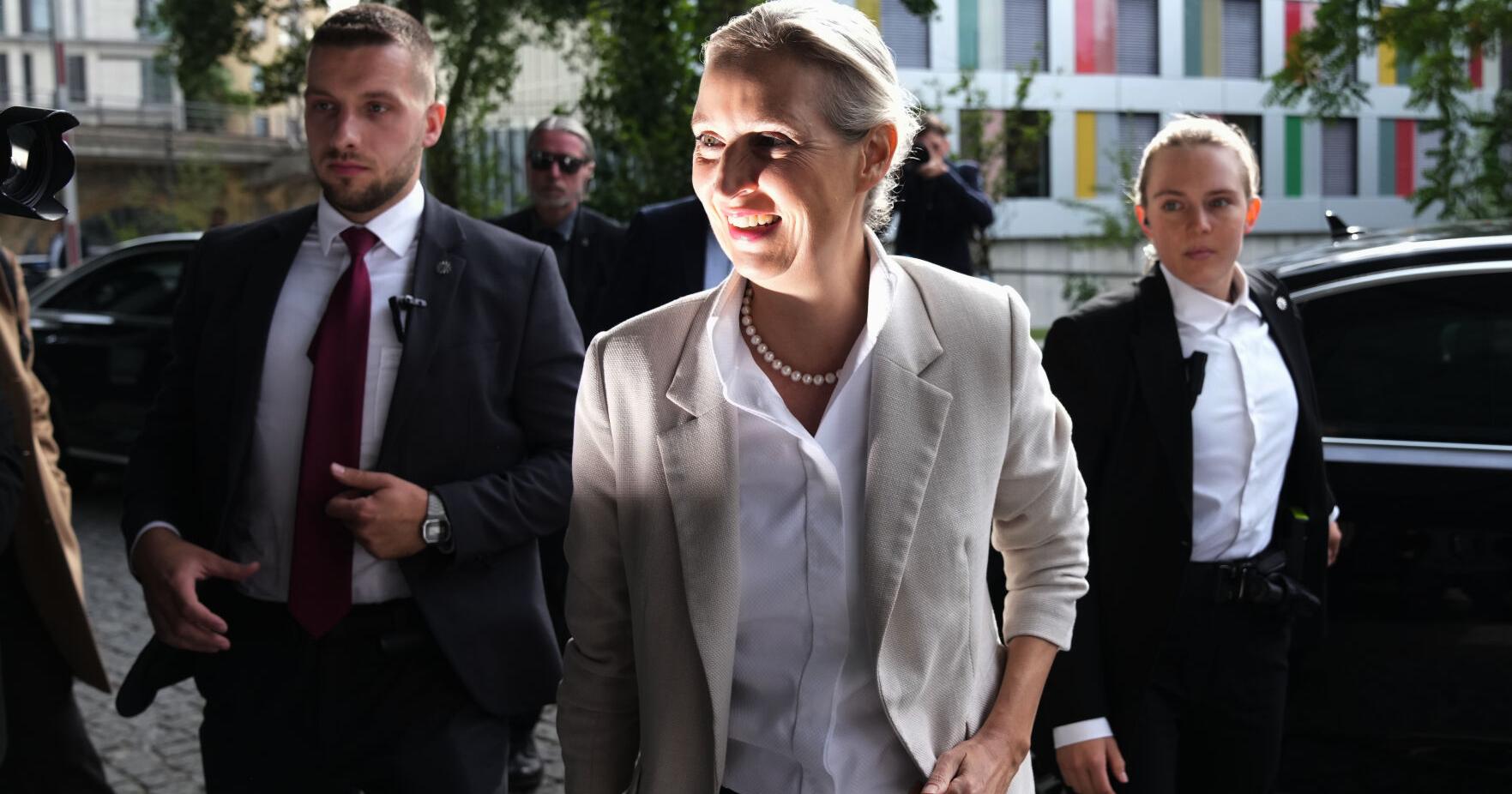
The Alternative for Germany (AfD) has won a state election in Saxony-Anhalt, the first time a far-right party has topped the poll in a German state since the Second World War. The result fell short of an absolute majority, meaning the AfD cannot govern alone, but it may still find coalition partners willing to break the firewall that German mainstream politics has maintained for eight decades.
Far-right leaders from Portugal to Austria celebrated the outcome. Whether it represents a structural shift in European politics or a localised protest against incumbents is a question that will not be answered until elections in France and Spain next year.
A result shaped by what it lacked
The AfD's victory is unprecedented in post-war Germany, and the symbolism alone has alarmed Berlin and Brussels. Yet the party did not secure the absolute majority that would have allowed it to form a government without partners. Whether smaller parties in Saxony-Anhalt are willing to negotiate, and whether the AfD itself would moderate its positions to secure a coalition, will reveal as much about German politics as the headline result.
The vote fits a broader European pattern: voters punishing incumbents over affordability, immigration and energy costs. The AfD's anti-immigration and pro-Russian positions resonated in a state where discontent with the national coalition in Berlin runs deep. But similar frustrations have produced very different outcomes elsewhere.
When far-right parties actually govern
Italy's experience under Giorgia Meloni offers the most significant case study. Her Brothers of Italy party has neo-fascist roots, and she campaigned as an EU sceptic. In office, she has taken a moderate turn that has drawn praise from mainstream figures across the continent and produced Italy's most stable government in decades. Meloni now faces a challenge from the right, led by a retired general, suggesting that moderation carries its own political costs when the base expects confrontation.
Far-right parties have also entered governments in Finland, Croatia and Slovakia, taking ministerial portfolios and adapting to the constraints of coalition. The pattern is uneven: some moderate, some do not. But the Italian example demonstrates that the responsibilities of office can pull a party toward the centre even when its campaign rhetoric pointed in a different direction.
Setbacks that complicate the narrative
The far-right's advance across Europe is neither uniform nor irreversible. Hungary's Viktor Orbán, the standard-bearer of the European far-right for 16 years and an inspiration for populists worldwide, lost in a landslide in April to a former ally who campaigned against corruption. The result was not a rejection of right-wing politics so much as a rejection of entrenched power.
In the Netherlands, Geert Wilders broke up a coalition he had helped form when his allies refused to support his far-reaching immigration crackdown. In the United Kingdom, Reform UK won local elections in May, a result that contributed to the replacement of Keir Starmer by Andy Burnham as Labour leader and prime minister. Yet Reform holds just eight of the 650 seats in the House of Commons, has lost several special elections since, and faces questions about its funding. Influence and parliamentary representation are not the same thing.
Jeremy Cliffe, editorial director of the European Council on Foreign Relations, described the double-edged message: "These parties are mortal, they can be defeated, but when they're in power, they're not all chaotic and hopeless." That makes it harder for mainstream parties to dismiss the far-right as incompetent, and harder to argue that voters will automatically regret supporting it.
The mainstream's strategic dilemma
The European People's Party (EPP), the largest group in the European Parliament, has increasingly coordinated with far-right factions. Earlier this year it backed a historic migration overhaul alongside parties it would once have shunned, angering traditional centre-left allies and human rights groups. The 2024 European Parliament elections had already demonstrated the far-right's growing support across the 27-nation bloc.
Sophia Russack, a fellow at the Centre for European Policy Studies in Brussels, captured the strategic tension: "It's a bit of a paradox: you partner up with them to prevent them from getting more powerful." Whether cooperation on specific policy areas, particularly immigration, deprives far-right parties of their most potent campaign material or simply normalises positions once considered unacceptable is a question mainstream conservatives have not resolved.
France and Spain: the next tests
Next year's elections in France and Spain will reveal whether Saxony-Anhalt was a watershed or an outlier. In France, Marine Le Pen, the long-time leader of the National Rally and a consistent critic of the EU and immigration, is the front-runner to replace Emmanuel Macron, who is constitutionally barred from seeking a third term. The field against her is crowded and divided.
France's foreign minister, Jean-Noël Barrot, whose centre-right party is among those competing with Le Pen, called the German result a victory for "the neo-Nazi, anti-European and pro-Putin far right" and warned: "We urgently need to open our eyes to the despair that is propelling such ideas and such parties to power. It can be done, but this is our last chance."
In Spain, the anti-immigrant Vox party holds just 32 of the 350 seats in parliament but has already entered governing agreements with the centre-right Popular Party in four regional elections. Prime Minister Pedro Sánchez, facing mass protests over the Ceuta border crisis, said the AfD win should serve as "a warning that the far-right threat is gaining ground in Europe and the world" and called for a progressive coalition government.
Both countries will test whether far-right parties can convert popular discontent into national governing power, or whether the constraints of coalition politics, institutional checks and voter scepticism will continue to limit their reach. The answer is unlikely to be the same in both places.
People mentioned
-
Sophia Russack
-
Jeremy Cliffe
Organisations
Alternative for Germany · European People's Party · Brothers of Italy · Reform UK · Vox · National Rally