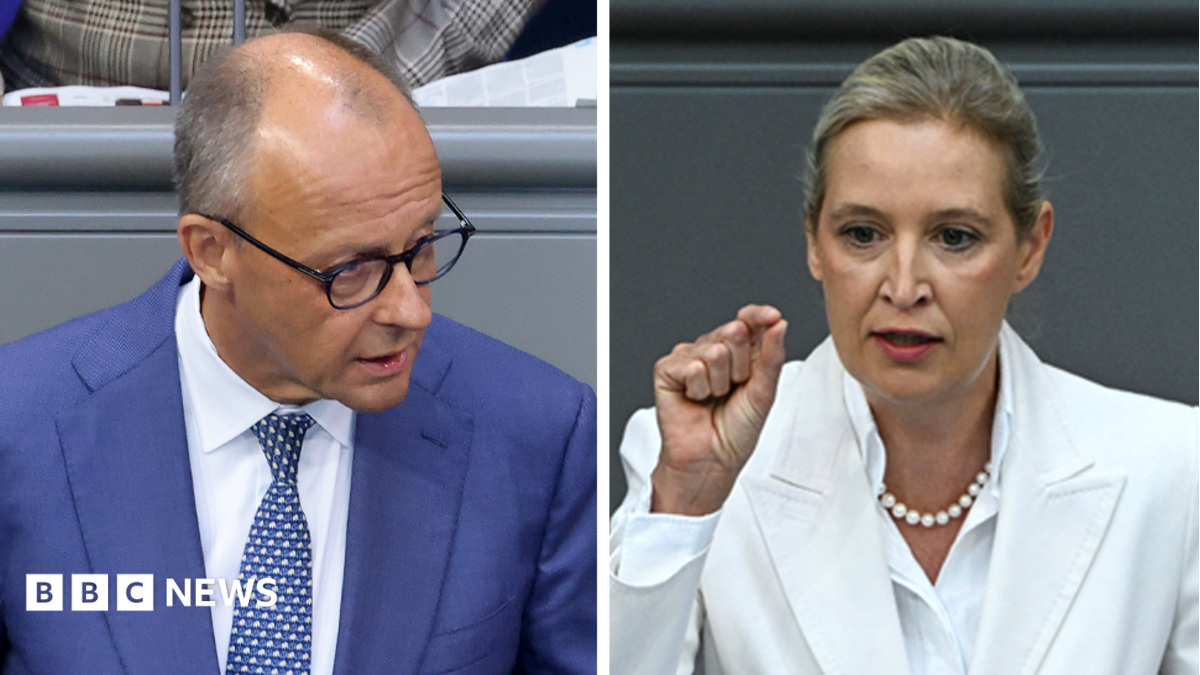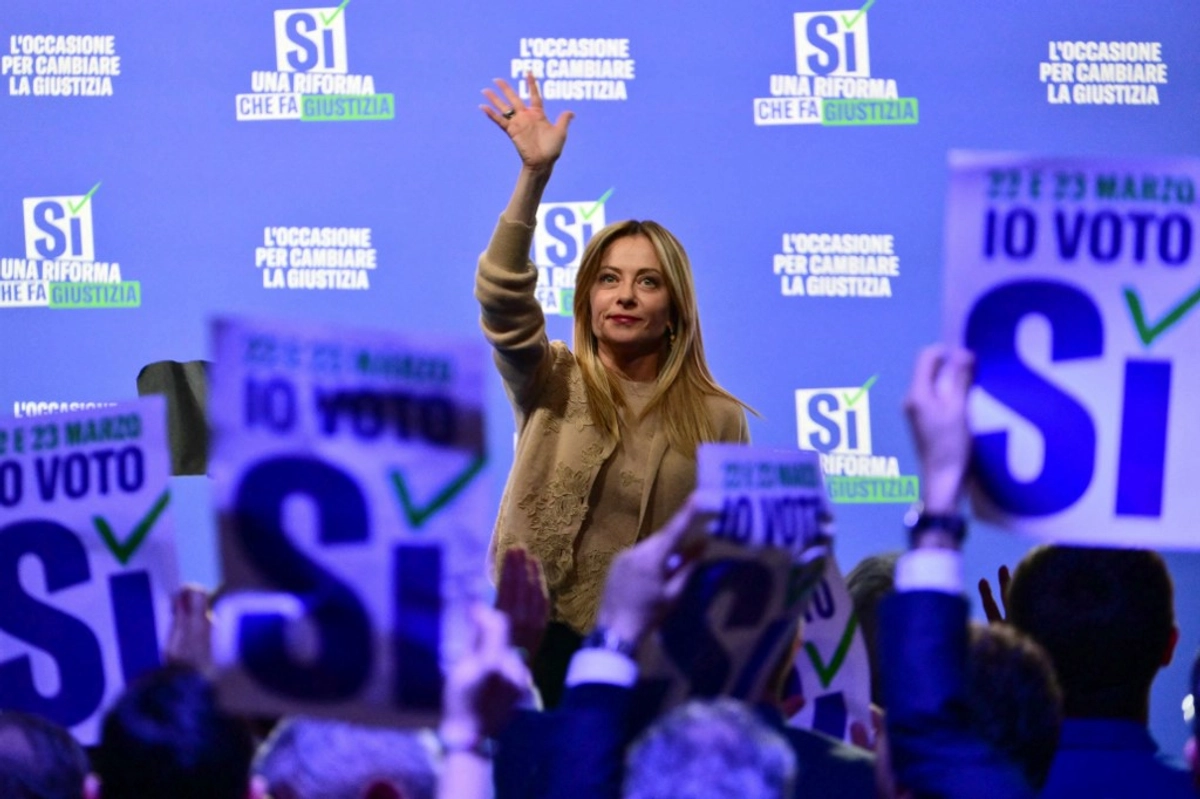
Germany's February election delivered a number that would have been unthinkable a decade ago: the Alternative für Deutschland secured 20.8% of the vote, making it the second-largest party in the Bundestag. Four years earlier it had won 10.4%. The surge did not happen in isolation. Across the Rhine, Marine Le Pen's Rassemblement National took 31.37% in the 2024 European elections. In Rome, Giorgia Meloni's Fratelli d'Italia rose from 26% at the 2022 general election to 28.8% two years later, after a full term in office.
The 2002 benchmark has collapsed
Twenty-four years ago, Jacques Chirac crushed Jean-Marie Le Pen with 82% of the runoff vote. The National Front was treated as a democratic emergency. In Germany the same year, the NPD managed 1.6% while the CDU/CSU and SPD together commanded nearly 70%. That political architecture rested on a consensus: globalisation delivered net benefits, European integration widened prosperity, migration was manageable, and industrial competitiveness was durable. The financial crisis, the eurozone crisis, and the 2015 migration influx shattered each assumption.
Living costs, not ideology, drive the shift
The lazy explanation is radicalisation. The evidence points elsewhere. EU inflation reached 9.2% in 2022, with energy, housing, water and fuel costs climbing 18% on average according to Eurostat. Russia's invasion of Ukraine turned energy dependence into a security crisis. A family facing higher bills, scarce housing, long medical waits and pressure on local schools does not separate these into policy silos. It asks whether the government can still govern. In the 2024 European elections, 42% of EU voters cited rising prices and the cost of living as their main reason for turning out; 41% pointed to the state of the economy. By spring 2026 those concerns remained dominant.
Migration was the catalyst, not the cause
The right entered 2015 with an established base. Le Pen had won 17.9% in the 2012 presidential election; the Front National topped the French European election in 2014. The AfD nearly entered the Bundestag in 2013, months after its founding. When 1.25 million first-time asylum applicants arrived in the EU that year, more than double the previous year, the right could argue that the state had lost control of its borders. The migration crisis accelerated growth that was already underway. Le Pen reached the presidential runoff in 2017; the AfD entered the Bundestag the same year as the third-largest force.
The centre misread the signal for years
Mainstream parties dismissed right-wing votes as xenophobia, populism or disinformation. Those phenomena exist, but they cannot explain a shift that has persisted across leaders, scandals and crises, spreading across social groups. Voters applied a simpler test: can the state control the things for which it is responsible? The pandemic paused the debate but did not restore confidence. Between 2021 and 2025, European voters were handed the bill for multiple simultaneous crises, inflation, war, energy, housing, while hearing arguments about new European obligations that felt detached from daily life.
Demographics confound the generational story
France shows a youth shift: RN support among under-25s rose from 15% in the 2019 European elections to 26% in 2024. But the party also gained sharply among women, professionals and parts of the better-educated electorate. Germany complicates the picture further. In the 2025 federal election, Die Linke came first among voters aged 24 and under. The AfD was strongest among 25-to-34-year-olds and stronger still among 35-to-44-year-olds. Two processes are simultaneous: a new generation without historical inhibitions, and a larger migration of voters who spent decades backing social democrats, Christian democrats or conservatives.
Meloni proves the governing model
Italy is the test case that matters most. Meloni took power in 2022 with 26%. Two years later, after governing, her party won 28.8% in the European elections, the strongest force by far. Italy did not leave the EU, question NATO, or switch sides on Ukraine. Meloni reaffirmed support for Kyiv in 2026 while keeping the border and migration policies that brought her voters to her. She has demonstrated that a government can demand tougher migration control and greater national sovereignty without abandoning European or Atlantic commitments. That dismantles the centre's binary argument: accept the status quo or risk isolation and chaos.
The centre's authority has eroded, not the EU's
Spring 2026 polling showed 51% of EU citizens trusted the Union, support for the euro hit a record 74%, and 76% backed continued assistance to Ukraine. Europe has not turned anti-European. What has changed is trust in the parties that have governed it. The right's advantage is not better solutions, RN and the AfD have serious contradictions on economics, the EU and Russia, but that voters believe they at least acknowledge problems the centre spent years downplaying or explaining in language that no longer matched lived experience.
France and Germany face different deadlocks
In France, a Le Pen presidential victory is no longer unthinkable. In Germany, the question is how long the political system can function with a party backed by roughly one voter in four while every other major party refuses to cooperate with it. Italy has already crossed that threshold: the right won power and retained its mandate. The longer the centre treats the rise of these parties as a moral failing of the electorate rather than a verdict on its own record, the less reason those voters have to return.
People mentioned
Organisations
Alternative für Deutschland · Rassemblement National · Fratelli d'Italia · European Union · European Parliament