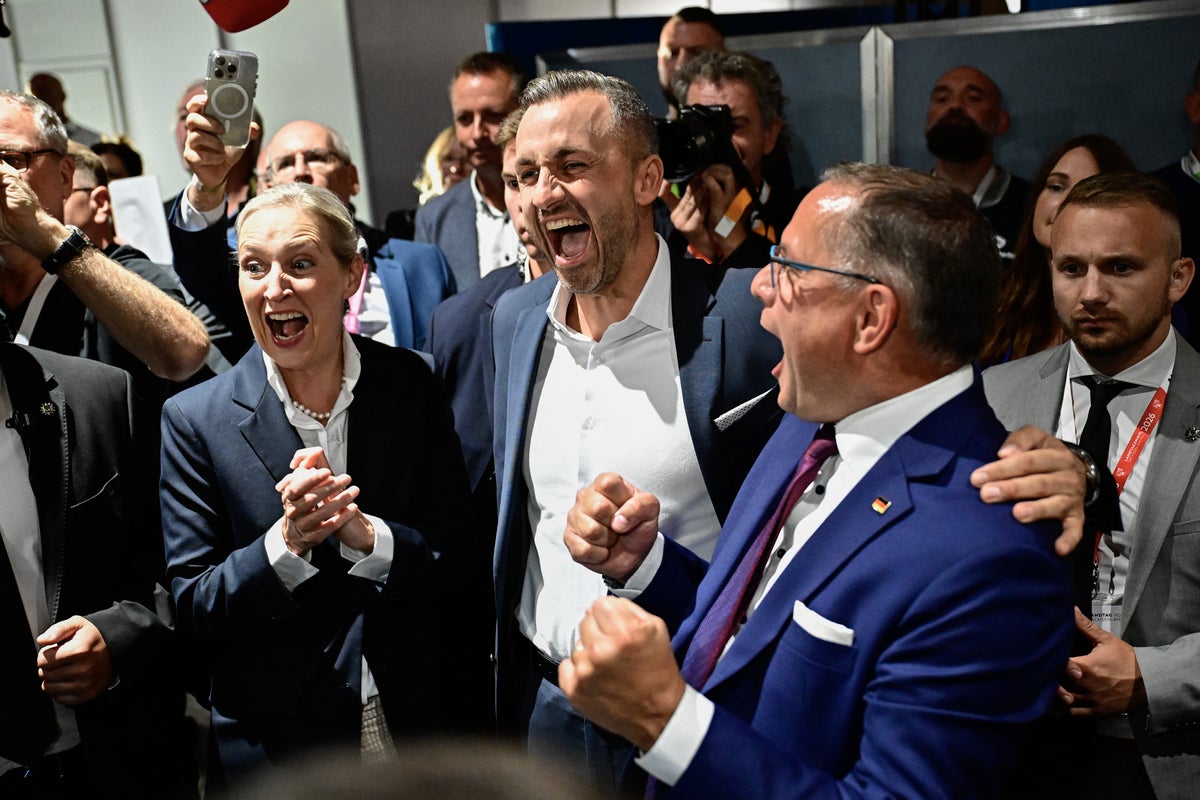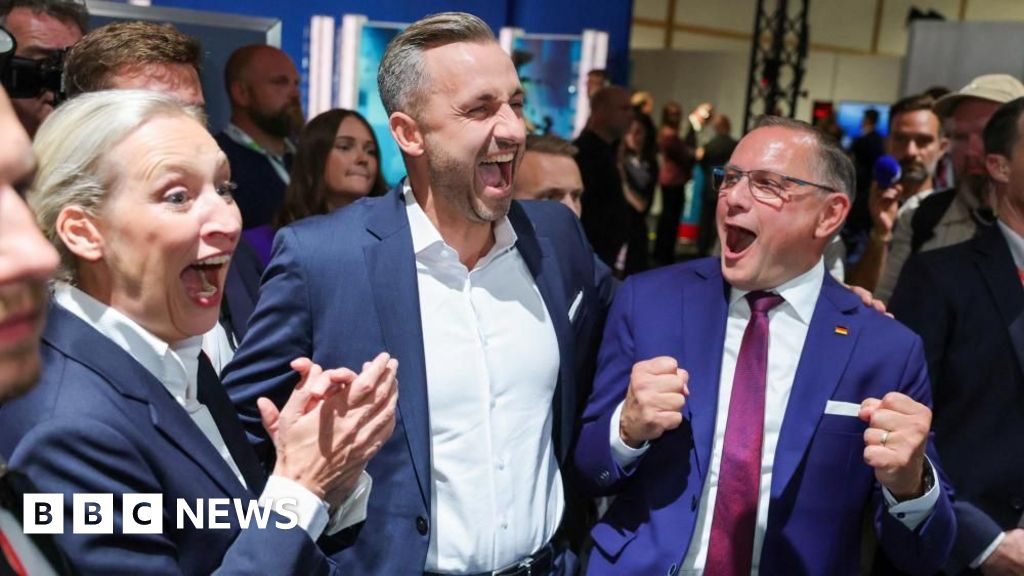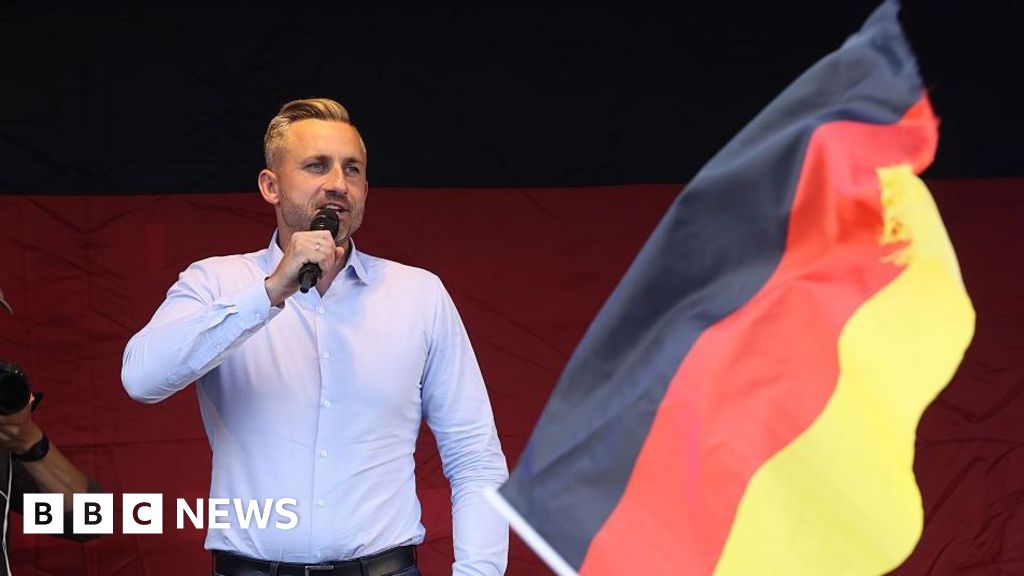
Every mainstream party in Germany has ruled out governing alongside the Alternative für Deutschland. In Saxony-Anhalt, that firewall only matters if the AfD fails to win a majority of seats on its own. The party is now within reach of doing exactly that.
Why an outright majority is the only route
The Brandmauer, or firewall, is the agreement among Germany's mainstream parties never to enter coalition with the AfD at any level. It has kept the far right out of executive power since the party was founded in 2013. In Saxony-Anhalt, the question is no longer whether cracks appear in that wall. The AfD is trying to vault over it entirely.
Without a coalition partner, the AfD must secure an absolute majority of seats in the state parliament. Whether that happens depends heavily on the electoral arithmetic. If smaller parties fall below the 5% threshold required to enter parliament, the available seats redistribute among the larger parties, making a majority achievable with a smaller share of the vote. If they clear the threshold, Siegmund's path narrows considerably.
What state-level power would actually mean
German state governments are not administrative afterthoughts. They control policing, education and cultural policy within their borders. Their delegations also sit in the Bundesrat, the federal chamber that must approve a large share of national legislation. An AfD government in Magdeburg would have a louder voice in Berlin than its population of roughly 2.2 million might suggest.
The party's programme for Saxony-Anhalt is explicit. Refugee children would be placed in separate classes and, in the party's own words, given the message that their stay in Germany is temporary. Rainbow flags would be banned from schools. Pupils would be taught less about the Nazi era and more about what the AfD describes as positive aspects of German history. A task force would be established to detain and deport migrants who no longer have the right to remain. The manifesto also states that "sexual deviations and non-reproductive lifestyles" have been promoted at the expense of what it calls the "normal family."
Intelligence concerns and the Russia question
The domestic intelligence service, the Bundesamt für Verfassungsschutz (BfV), classifies the Saxony-Anhalt branch of the AfD as right-wing extremist. It charges the organisation with promoting a "racist ideology" and pursuing anti-constitutional objectives. The AfD rejects these designations as politically motivated and describes itself as conservative and libertarian.
Siegmund has not ruled out abolishing the BfV's state-level operations if he takes office, a prospect that would remove the very body responsible for monitoring extremist activity in the state.
Beyond domestic extremism, the AfD's posture towards Russia raises questions about whether the party could be trusted with classified intelligence in government. Hans-Thomas Tillschneider, a leading AfD figure in the state, kept a Russian army mug in his office. He called it a souvenir and said of the war in Ukraine: "It's not our war." The remark came the same week Berlin publicly attributed a failed drone attack on Leipzig/Halle Airport to Moscow. German security officials have warned that Russian-backed disinformation campaigns targeting AfD rivals have been escalating, according to German federal statistics and security reporting. Russian representatives have dismissed the claims as anti-Russian hysteria.
The eastern German discontent fuelling support
The AfD draws its strongest support from the former communist east, and Saxony-Anhalt is no exception. Voters there cite immigration, public safety, a sluggish economy, high energy costs and military aid to Ukraine as reasons they have abandoned the mainstream parties that have dominated German politics for decades. Some backers speak of Siegmund as a figure offering genuine change. Others are less committed to the AfD itself but say they have lost faith in the alternatives.
The party has travelled a long way from its origins as a Eurosceptic outfit. Founded in 2013, it now attracts, or at least tolerates, extremist currents that would once have been beyond its perimeter. At one rally, a man was seen wearing a T-shirt bearing the word "Aryan," the term the Nazis used for their fictive master race. Whether he was a party member, a supporter or simply an attendee is unclear; he refused to speak to reporters.
Merz and the mainstream failure
The CDU chancellor, Friedrich Merz, came to office promising to halt the far right's advance. The opposite has occurred. Merz has been booed at recent public events and is regarded within his own ranks as an electoral liability rather than an asset. Rumours about whether he can serve a full term continue to circulate. Der Spiegel labelled Siegmund "Germany's Most Dangerous Man," a tag that captures the alarm among opponents but also underscores how little mainstream parties have done to address the grievances the AfD exploits.
Governing would change the AfD's own position
Should the AfD cross the majority threshold, it would face a test it has never encountered. Opposition allows a party to blame every problem on those in office. Government requires owning outcomes. Grievances could still be directed at Berlin, and many would be, but the AfD would no longer be able to position itself purely as an outsider. The distance between railing against the establishment and running it is considerable, and Saxony-Anhalt would be the first place the party discovers whether it can bridge that gap.
People mentioned
Organisations
Alternative für Deutschland · Christian Democratic Union · Bundesamt für Verfassungsschutz