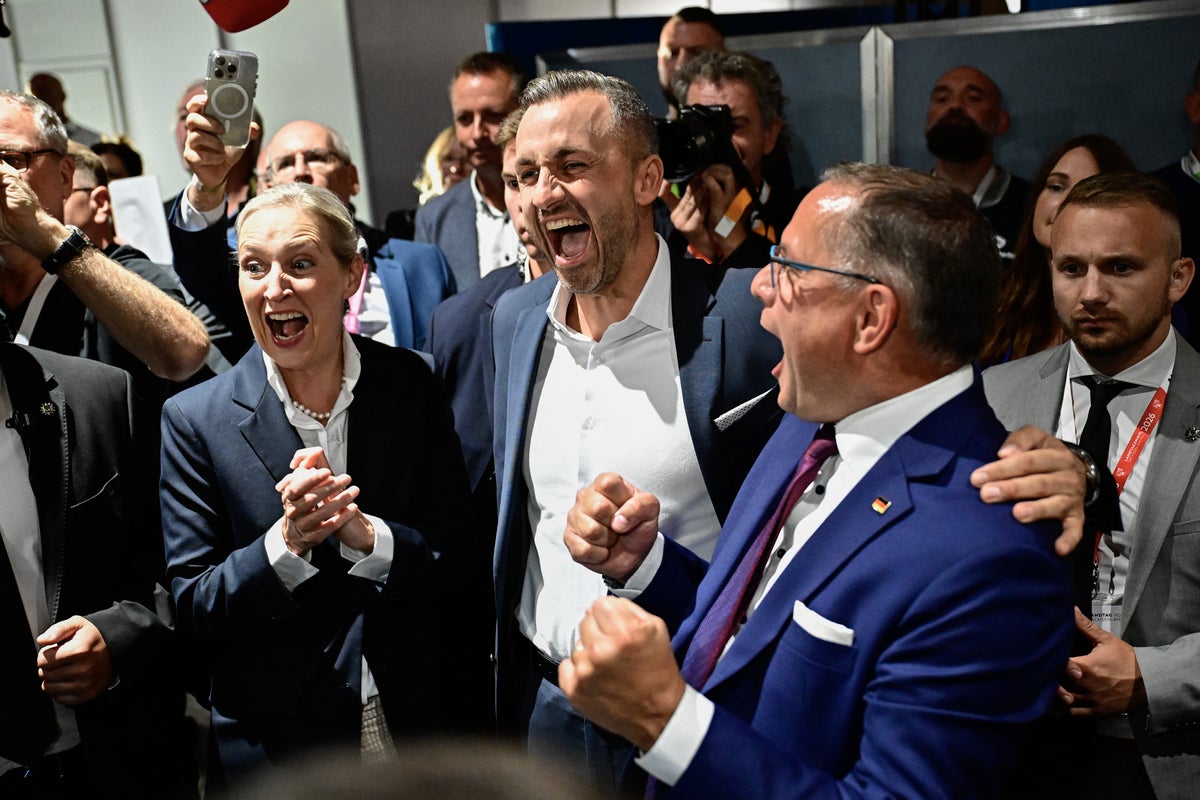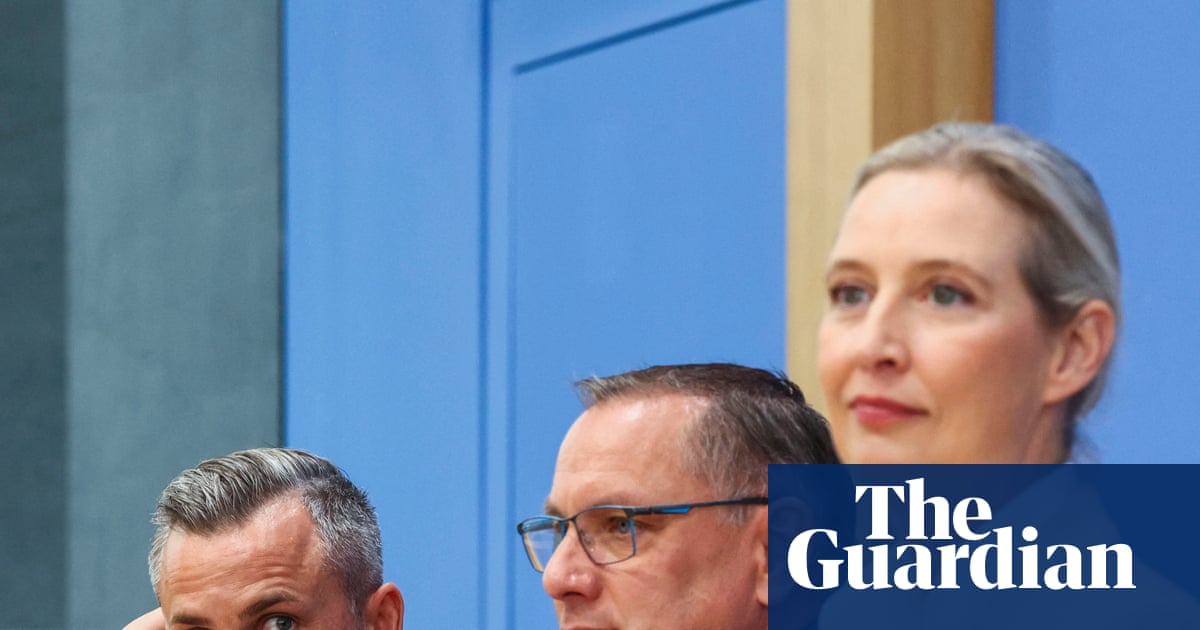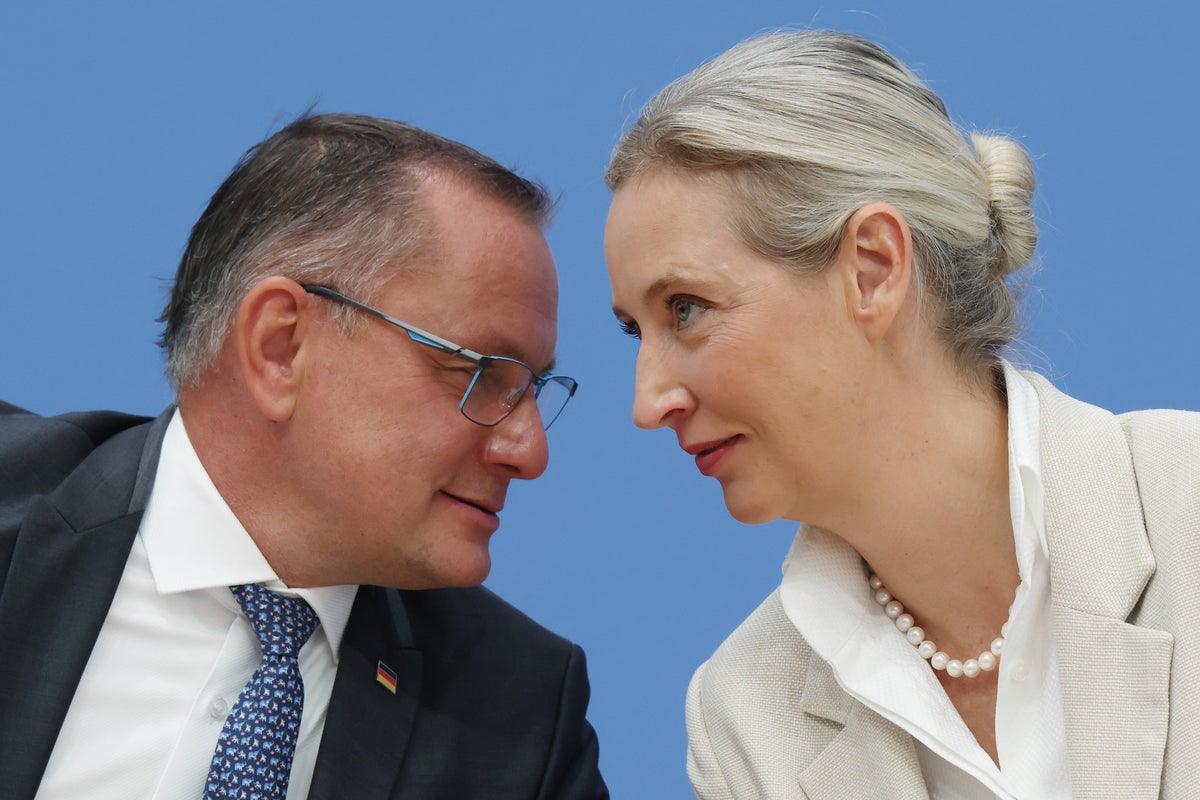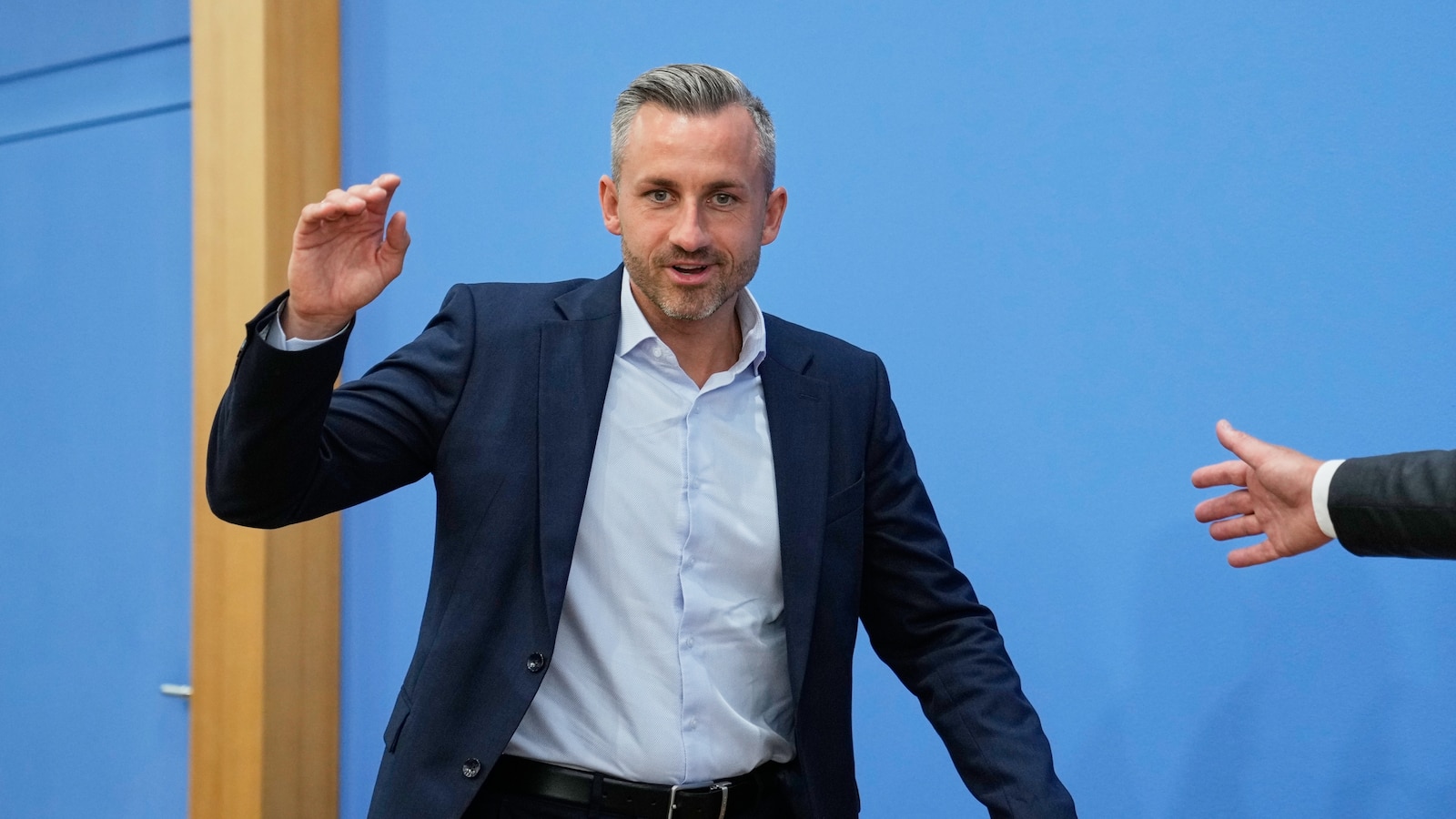
The Alternative for Germany (AfD) has secured a commanding victory in the Saxony-Anhalt state election, winning 37.1% of the vote and 34 seats in the 71-seat legislature, three short of an absolute majority. The result, confirmed on Sunday evening, represents the strongest showing by a far-right party in any German state since the Second World War and places the AfD on the threshold of leading a state government for the first time in the Federal Republic's history.
A historic breakthrough for the AfD
The AfD's Saxony-Anhalt branch, designated a proven right-wing extremist organisation by the Federal Office for the Protection of the Constitution, campaigned on an anti-migration, Russia-friendly platform. Its lead candidate, Ulrich Siegmund, had explicitly sought an absolute majority that would allow the party to govern without relying on the mainstream parties that maintain a long-standing "firewall" against cooperation. That firewall held in the legislature: the CDU fell to 23.6%, its worst result in the state since reunification, while the governing Social Democrats (SPD) collapsed to single digits. The hard-left Bündnis Sahra Wagenknecht (BSW) entered the parliament with five seats, and the Greens and FDP failed to clear the 5% threshold.
Siegmund declared on Monday that his party had "a very clear mandate to form the government" and would reach out to other groups and even individual lawmakers to build a stable majority. He ruled out a minority government and insisted the AfD would not compromise on its programme. "We don't want to become like the parties that were punished" by breaking pre-election promises, he said. The arithmetic, however, is unforgiving. Without an absolute majority, the AfD needs either the BSW's acquiescence or defections from other parties. BSW leaders indicated on Monday they could abstain in a third-round vote for minister-president, where a simple majority would suffice, potentially allowing Siegmund to take office without a formal coalition.
Merz refuses to change course
Chancellor Friedrich Merz described the CDU's performance as "the most serious election defeat that the CDU has had for years, for decades" and said he was "deeply shocked". Yet he was unequivocal about his own future and his government's direction. "Giving up is not an option for me," he told reporters in Berlin. "We need fundamental reforms in Germany. It is a question of nothing less than the future of our country and the opportunities of our children and grandchildren, and we must not squander those. That is why my determination to continue the reform course is unbroken."
The coalition between Merz's CDU/CSU Union bloc and the SPD has struggled to convince voters that its reform agenda, including changes to the pension system, labour market rules and energy costs, will revive Germany's stagnant economy. The government's approval ratings have trailed the AfD nationally for months. Merz acknowledged on Monday that reforms must be justified "not just rationally but also emotionally," a concession that the communication strategy has failed. He also sought to reassure allies that "our institutions are resilient and stable" and that Germany would uphold its commitments to Ukraine and NATO.
The firewall holds, for now
Germany's post-war consensus has relied on a cross-party refusal to govern with the far right. That consensus faced its sternest test on Sunday. A government excluding the AfD would require every other party in the legislature, CDU, SPD, BSW, Linke and the single Free Voter deputy, to unite. Such an alliance is widely seen as politically improbable and inherently unstable, given the ideological gaps between the BSW and the CDU on foreign policy, and between the SPD and the Linke on economic policy. The BSW's willingness to tolerate an AfD minority government by abstaining would shatter the firewall in practice, even if no formal coalition is signed.
International reactions expose geopolitical fault lines
The victory drew immediate praise from figures aligned with the populist right. Elon Musk posted "Well done!" on X, to which Siegmund replied with thanks. Donald Trump shared a screenshot of the election projection on Truth Social without comment. Kirill Dmitriev, Russian presidential envoy, called it a "historic win for the pragmatic AfD" that would "restore Germany and Europe by leading the common-sense approach that migrant-friendly, warmongering Biden-think EU politicians tried to eradicate." Leaders of right-wing parties in Spain and Portugal also congratulated the AfD.
The response from mainstream European leaders was sharply different. Polish Prime Minister Donald Tusk wrote on X: "In Poland, only idiots or traitors could rejoice the AfD triumph in Germany." French Foreign Minister Jean-Noel Barrot, facing a presidential election next year in which Marine Le Pen's National Rally leads the polls, said the AfD platform was "a betrayal of the European spirit" and that "our first responsibility is to resist the normalisation of far-right ideas." The divergence underscores how the German result reverberates across a continent where the far right is advancing in several member states.
Voters divided between anger and alarm
Among those who did not vote AfD, the mood was described as dismay. Horst Walter Boerner, an 86-year-old from Magdeburg born during the war, told reporters the election was "fear-driven" and added: "It's terrible for us. This should have never happened." His words capture a generational anxiety that the firewall is crumbling. Yet AfD supporters cite economic stagnation, high energy prices and uncontrolled migration as drivers. The party's vote share rose across almost all demographics, including workers who once backed the SPD and Linke. The BSW's entry, drawing from similar grievances but from the left, suggests the protest vote has fragmented rather than consolidated.
Two weeks until the next test
The immediate focus shifts to Berlin and Mecklenburg-Western Pomerania, where voters go to the polls on 20 September. In Mecklenburg-Western Pomerania, the AfD has consistently polled above 30% and could replicate the Saxony-Anhalt dynamic. In Berlin, the party is weaker but the governing CDU-SPD coalition is fragile. A second AfD breakthrough would deepen the crisis for Merz and increase speculation about a confidence vote or early federal election. The chancellor has ruled out both, but his authority within the CDU is diminishing. Party leaders in several states have privately questioned whether the reform agenda can survive another electoral drubbing.
People mentioned
-
Horst Walter Boerner
Organisations
Alternative for Germany · Christian Democratic Union · Social Democratic Party of Germany · Bündnis Sahra Wagenknecht · German Federal Office for the Protection of the Constitution